 cc@yst.sg


Across Singapore, more people are quietly incorporating Traditional Chinese Medicine (TCM) into their regular wellness routine.
From office workers in the CBD to families in the East, visits for acupuncture, Tuina massage and herbal therapy are becoming increasingly common.
At Yan Sang Tang TCM Clinic, conveniently located at:
- 📍 Raffles City #B2-09/10 (City Hall)
- 📍 Tampines Mall #04-14 (Tampines)
patients seek support for everyday concerns like stress, fatigue, pain relief and hormonal balance.
The Modern Singapore Lifestyle & Chronic Fatigue
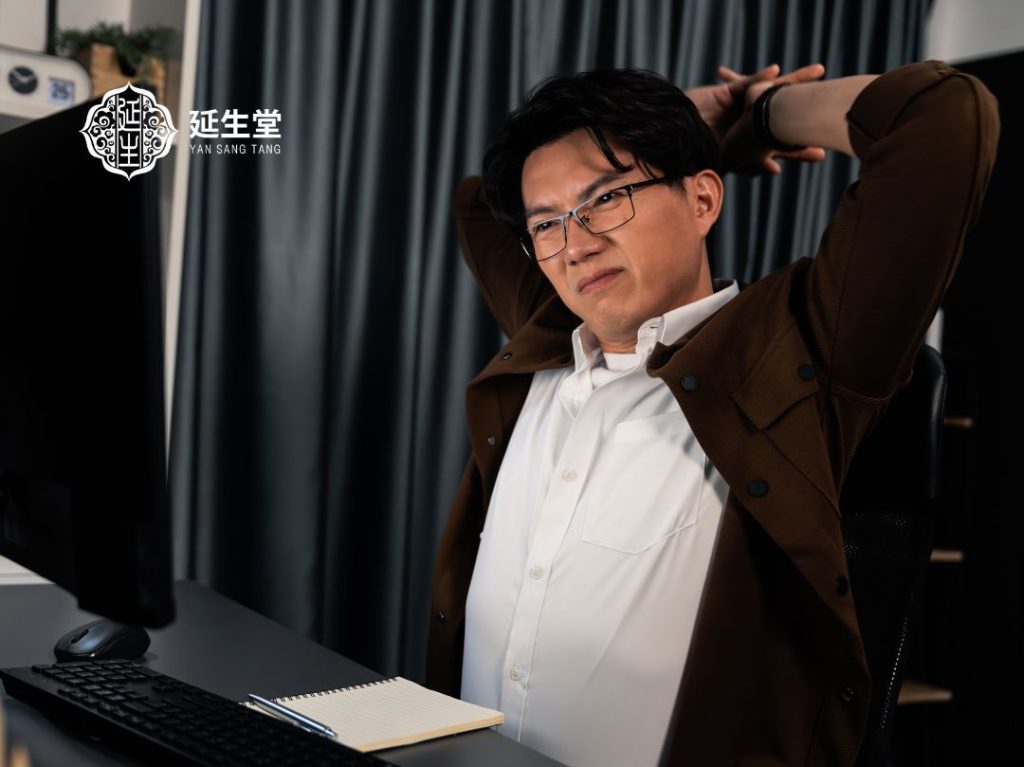
Many working adults in Singapore experience:
- Long desk hours
- Neck and shoulder stiffness
- Poor sleep quality
- Digestive discomfort
- PMS and hormonal fluctuations
- Frequent headaches or migraines
Instead of waiting until symptoms become severe, more individuals are exploring preventive TCM treatment in Singapore.
Traditional Chinese Medicine focuses on restoring internal balance — which makes it especially relevant for stress-related conditions common in fast-paced city life.
Common Reasons People Visit Yan Sang Tang TCM Clinic
Based on patient trends at both the City Hall TCM clinic and Tampines TCM clinic, most visits revolve around practical, quality-of-life concerns.
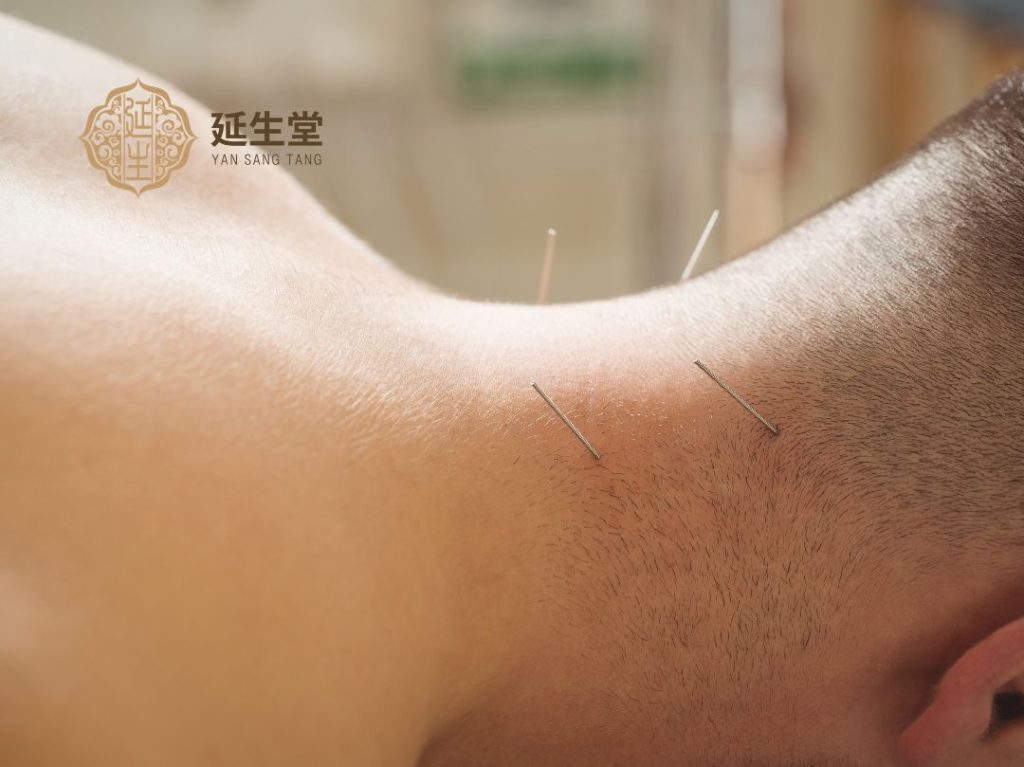
1. Acupuncture for Neck, Back & Migraine Relief
Many professionals working in the CBD look for acupuncture in City Hall Singapore to relieve:
- Chronic neck tension
- Lower back pain
- Sciatica
- Migraines
- Tension headaches
Acupuncture aims to improve circulation and regulate the body’s systems, which may also support better sleep quality.
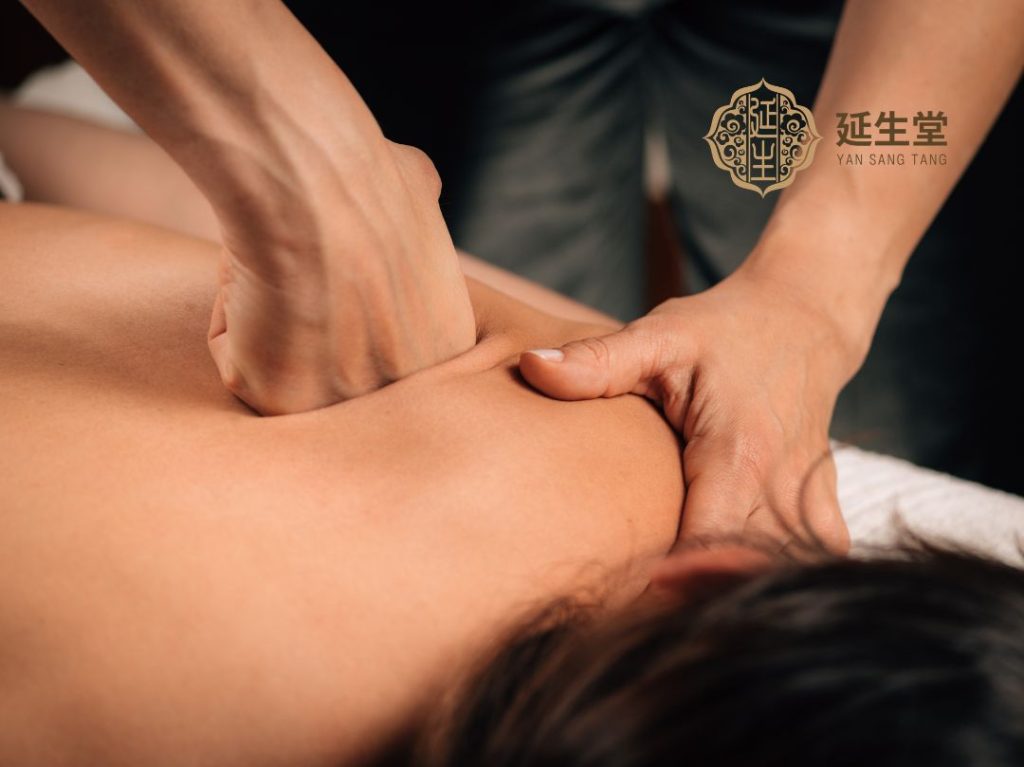
2. Tuina Massage for Muscle Tension & Stress Relief
Tuina massage in Singapore is a therapeutic TCM technique that:
- Targets meridian pathways
- Releases deep muscle tightness
- Supports joint mobility
- Promotes overall balance
Patients often combine Tuina massage at Tampines Mall with acupuncture for a more structured treatment plan.
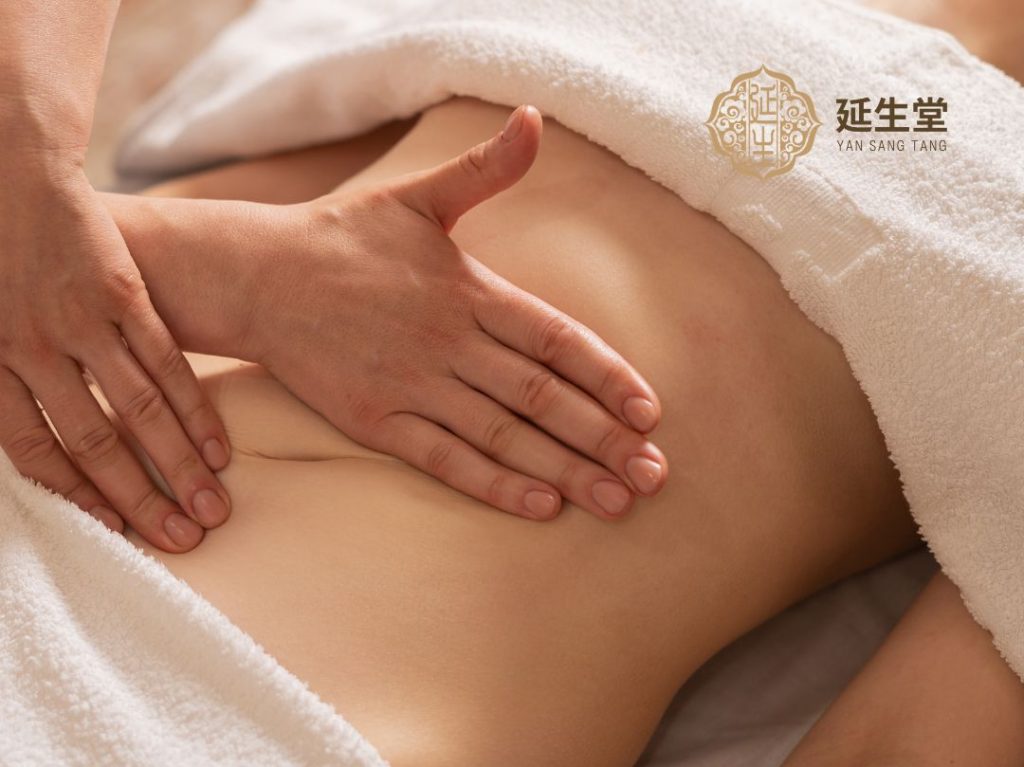
3. Women’s Health TCM in Singapore
An increasing number of women in their 20s–40s are seeking TCM for women’s health in Singapore, including support for:
- Irregular menstrual cycles
- PMS symptoms
- Hormonal imbalance
- Fertility support
- Post-natal recovery
Consultations at Yan Sang Tang TCM Clinic typically consider sleep patterns, stress levels, digestion and constitution rather than focusing on a single symptom.
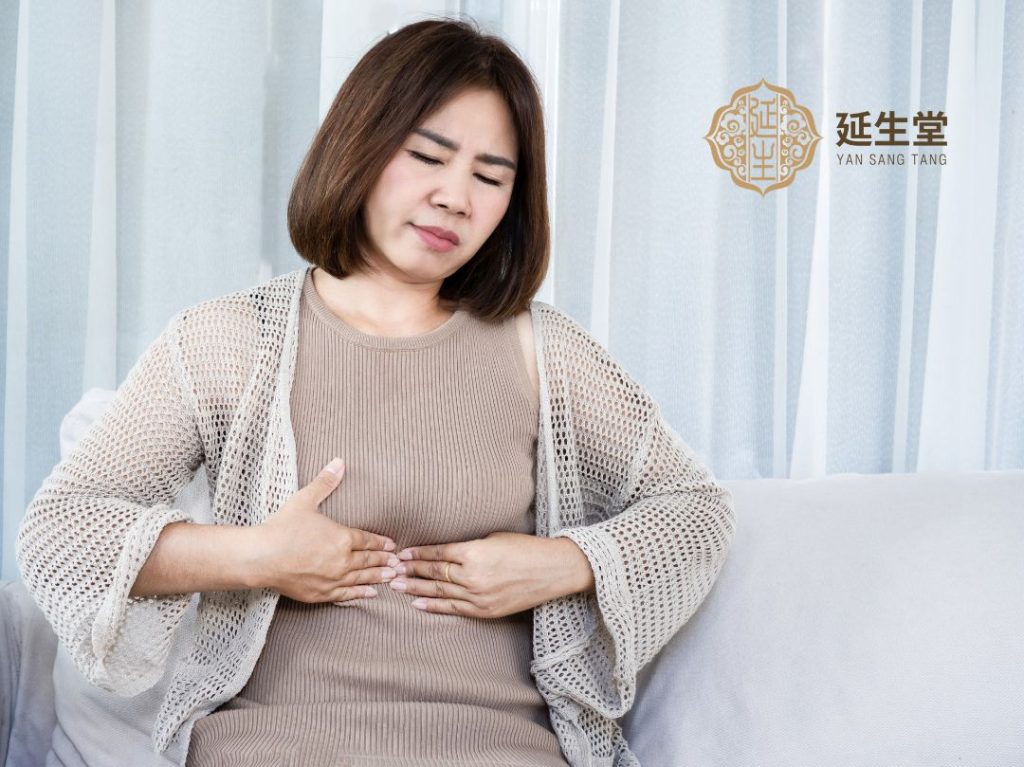
4. Digestive & Bloating Concerns
Busy schedules and irregular meals can affect digestion.
Patients searching for TCM for bloating in Singapore may explore herbal therapy and acupuncture as part of regulating gut function and internal balance.
Why TCM Is Becoming Part of Preventive Healthcare in Singapore
Traditional Chinese Medicine evaluates overall patterns such as:
- Energy levels
- Sleep cycles
- Stress response
- Emotional wellbeing
- Digestive function
This holistic approach is why many Singaporeans see TCM as complementary to conventional healthcare.
Convenient TCM Clinics in City Hall & Tampines
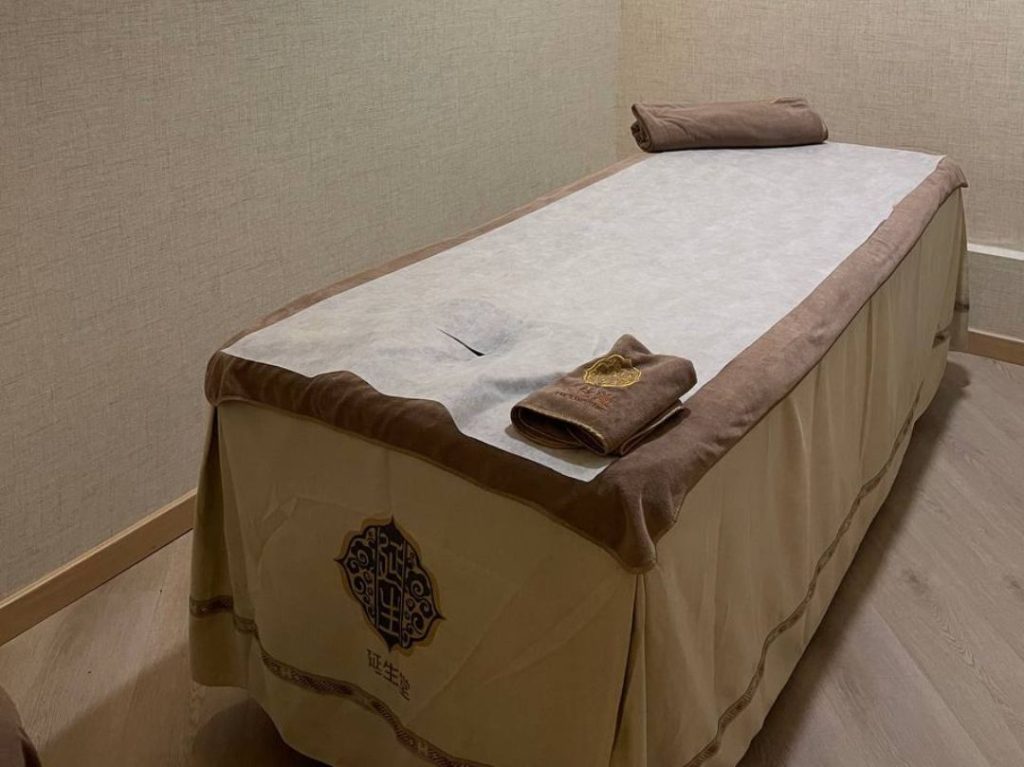
For those working in the CBD, Yan Sang Tang TCM Clinic at Raffles City (City Hall) offers convenient access near MRT stations and office buildings.
For East-side residents, Yan Sang Tang TCM Clinic at Tampines Mall provides accessibility within a major shopping hub.
Whether searching for:
- “TCM near City Hall”
- “Acupuncture Tampines”
- “Tuina massage Singapore”
- “Women’s health TCM Singapore”
- “TCM clinic near me”
patients are increasingly considering modern, structured TCM care.
Booking & Enquiries
To make an appointment at Yan Sang Tang TCM Clinic (City Hall or Tampines), you may contact:
📞 8793 2546 (WhatsApp or calls) Our team will be happy to assist with appointment scheduling and general enquiries.
Your Angbao Is Full… But Is Your Body Overdrawn? 🧧💥
The Fun Post-CNY Recovery Guide by Yan Sang Tang TCM Clinic
Chinese New Year summary:
✔ Ate like a king
✔ Slept like… not much
✔ Visited 37 houses
✔ Said “I’m so full” 92 times
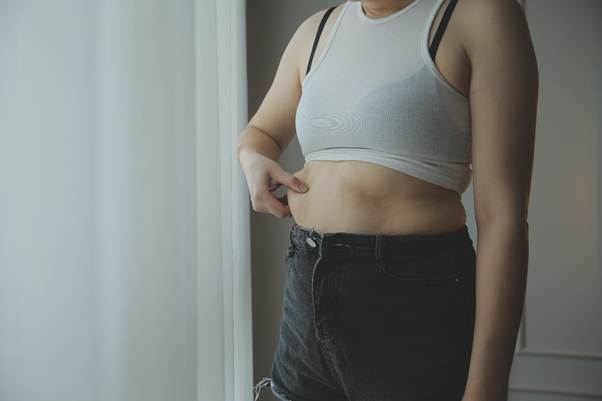
And now?
Your jeans feel tighter.
Your face feels puffier.
Your stomach sounds suspicious.
Your energy? Missing.
Welcome to the Post-CNY Body Hangover.
At Yan Sang Tang TCM Clinic, this is peak season for what we lovingly call “Too Much Huat Syndrome.”
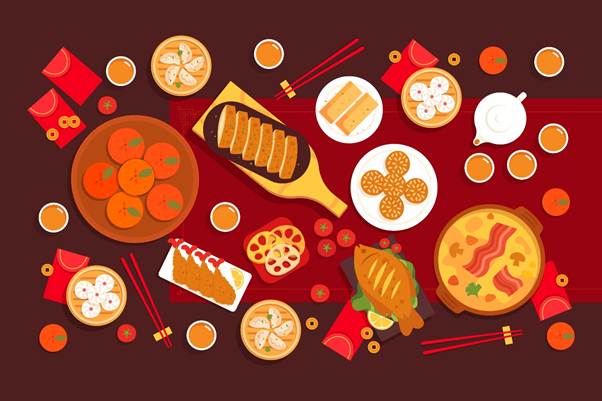
The Festive Formula for Imbalance
Let’s break it down:
🍍 Sugar +
🥘 Oil +
🍷 Alcohol +
🌙 Late nights +
🚗 Minimal movement
= Digestive slowdown + Internal heat + Water retention
In TCM terms?
Your Spleen Qi is tired.
Your Liver Qi is stuck.
Your body fluids are not moving smoothly.
In normal terms?
You feel heavy.
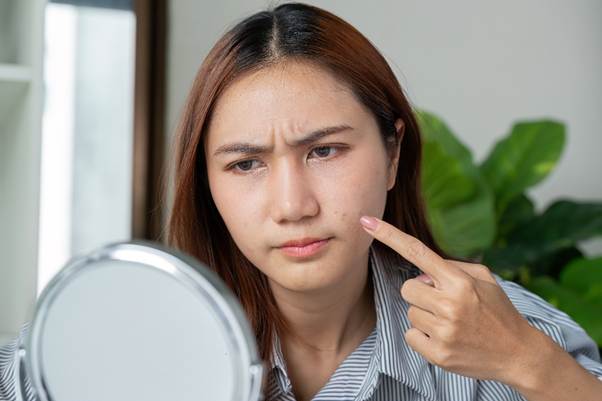
Signs You’re in “Festive Aftershock”
- Bloated even when you didn’t eat much
- Pimples popping up
- Constipation (or the opposite)
- Puffy face in selfies
- Waking up tired
- Easily irritated
Don’t worry — your body isn’t broken. It’s just overloaded.
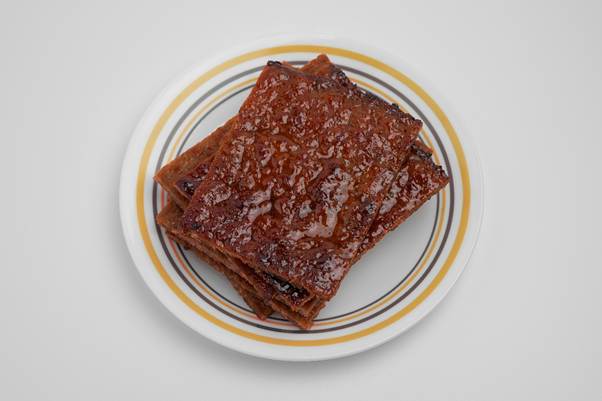
The TCM Glow-Back Plan ✨
At Yan Sang Tang TCM Clinic, we don’t cancel your bak kwa. We simply help your body recalibrate.
🌿 Personalised Herbal Reset
Customised herbal prescriptions may help to:
- Improve digestion
- Reduce bloating
- Clear “heatiness”
- Restore energy
- Regulate bowel movements
Because your cousin’s “heatiness” may not be the same as yours.
🪡 Acupuncture for Flow
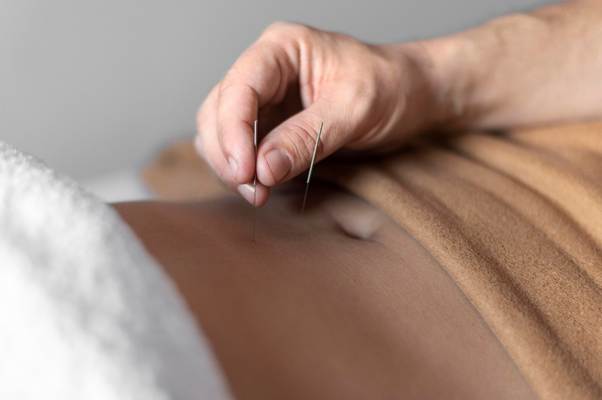
Feeling stuck? Heavy? Irritated?
Acupuncture may help:
- Support digestive function
- Improve circulation
- Enhance sleep
- Restore energy balance
Many patients describe feeling lighter after sessions — like traffic finally clearing.
🔥 Cupping for That “Stuck” Feeling
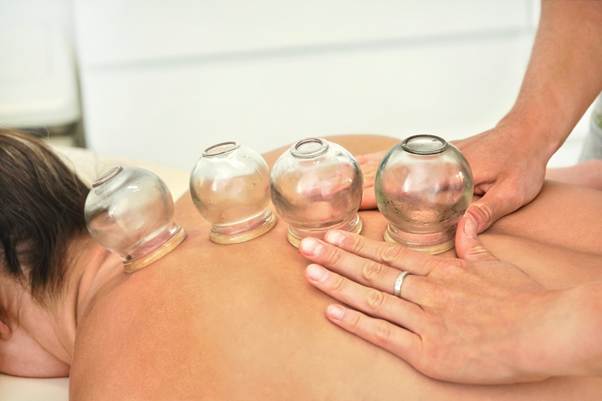
If your back feels tight and your body feels sluggish, cupping therapy may help improve circulation and relieve stagnation.
It’s like pressing the “reset” button for your system.
Quick DIY Mini Reset
Before you even book an appointment:
✔ Drink warm water (no ice!)
✔ Choose soups over fried food
✔ Sleep before 11pm
✔ Walk after meals
✔ Slow down your snacking
Simple changes. Big impact.
Ready to Stop Feeling Like a Walking Pineapple Tart?
If bloating, fatigue or “heatiness” continues for more than 1–2 weeks, it may be time for a proper consultation.
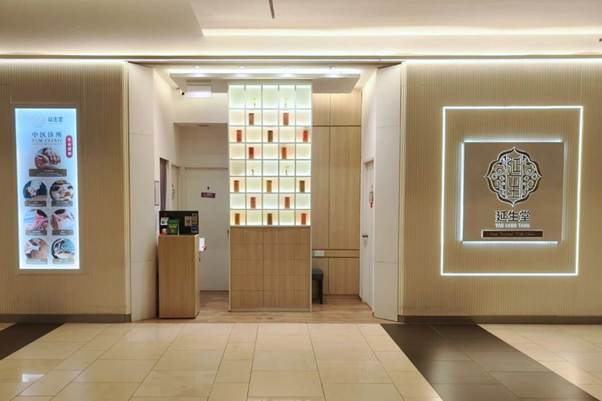
Visit Yan Sang Tang TCM Clinic at:
📍 Tampines Mall #04-14 (Tampines)
📍 Raffles City #B2-09/10 (City Hall)
📍 Woods Square Solo 2 #04-33 (Woodlands)
Start the year with real huat — smooth digestion, better energy and a lighter body.
Because prosperity feels better when you’re not bloated. 🧧✨
Do I Only Visit TCM If I’m Sick?
Many people associate Traditional Chinese Medicine (TCM) with treating illness. In reality, TCM has long focused on preventive care, balance, and long-term wellness, not just managing symptoms when you fall sick.

At Yan Sang Tang TCM Clinic, TCM is approached as part of a holistic lifestyle—supporting health at every stage of life.
TCM Is About Prevention, Not Just Treatment
One of the core principles of TCM is “治未病” (zhi wei bing)—treating illness before it happens.
Rather than waiting for symptoms to appear, TCM aims to:
• Support balance within the body
• Identify early signs of internal imbalance
• Strengthen overall constitution
This preventive mindset makes TCM suitable even when you’re not “sick” in the conventional sense.
When Should You Consider Visiting a TCM Clinic?

You don’t need to be unwell to benefit from TCM care. Many people visit a TCM clinic for:
🌿 General Wellness & Maintenance
• Supporting overall energy and vitality
• Managing stress and fatigue
• Improving sleep quality
🌿 Seasonal & Lifestyle Changes
• Adjusting the body during seasonal transitions
• Supporting immunity during busy or stressful periods
• Addressing changes due to work, travel, or ageing
🌿 Chronic or Long-Term Conditions
• Ongoing digestive discomfort
• Muscle tension or aches
• Women’s health or men’s health support
TCM consultations focus on understanding the root cause, not just isolated symptoms.
What Happens During a TCM Consultation?

A typical consultation at a TCM clinic includes:
• Detailed health and lifestyle discussion
• Pulse and tongue assessment
• Individualised treatment planning
Depending on the assessment, treatment options may include herbal medicine, acupuncture, or therapeutic modalities, all tailored to your body’s current condition.
Is TCM Only for Older Adults?

This is a common misconception.
TCM is suitable for all ages, including working adults, young professionals, and families. In fact, many younger patients turn to TCM to manage stress, support energy levels, and maintain balance amid fast-paced lifestyles.
TCM as Part of a Balanced Healthcare Approach

TCM does not need to replace conventional medicine. Many people choose to incorporate TCM as a complementary approach to support overall well-being and long-term health goals.
Final Thoughts
You don’t need to wait until you’re sick to visit a TCM clinic.
TCM is about prevention, balance, and proactive care—helping your body stay resilient over time.

At Yan Sang Tang TCM Clinic, consultations are personalised to support your health journey, whether you’re managing an existing concern or simply prioritising long-term wellness.
Yan Sang Tang TCM Clinic
City Hall Branch
Raffles City #B2-09/10
SG 179103
Tampines Branch
Tampines Mall #04-14
SG 529510
Woodlands Branch
Woods Square Solo 2 #04-33
SG 737713
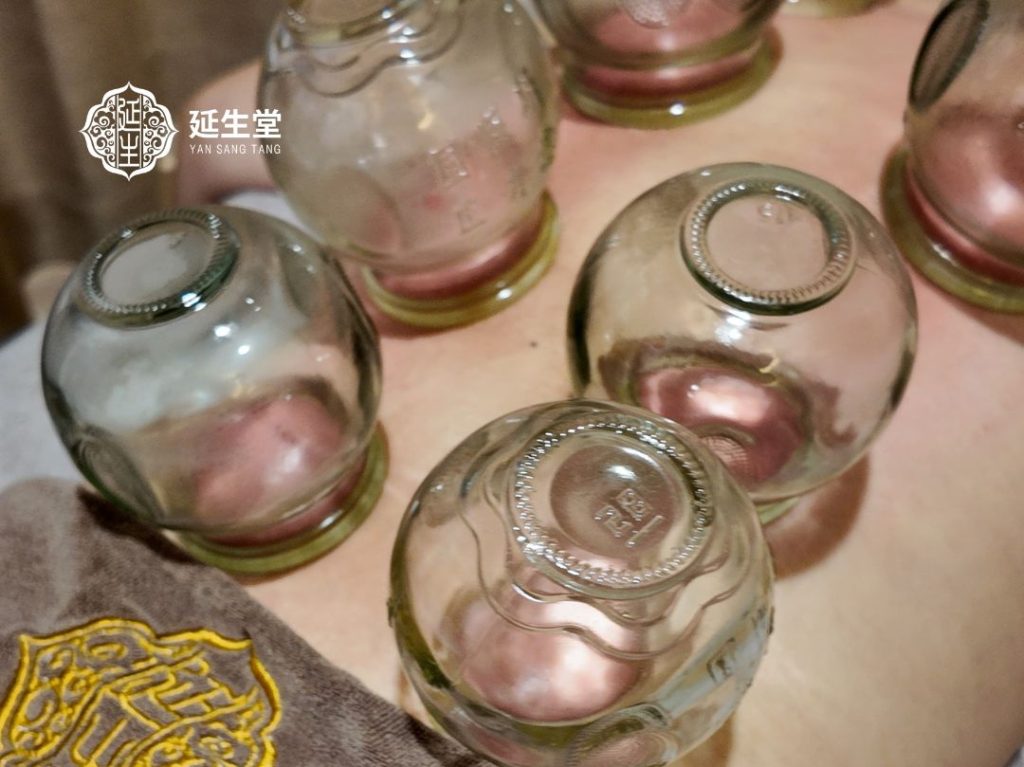
🔥 All About Cupping: The Ancient Detox Ritual Everyone’s Talking About (First Trial $58!)
By Yan Sang Tang TCM Clinic
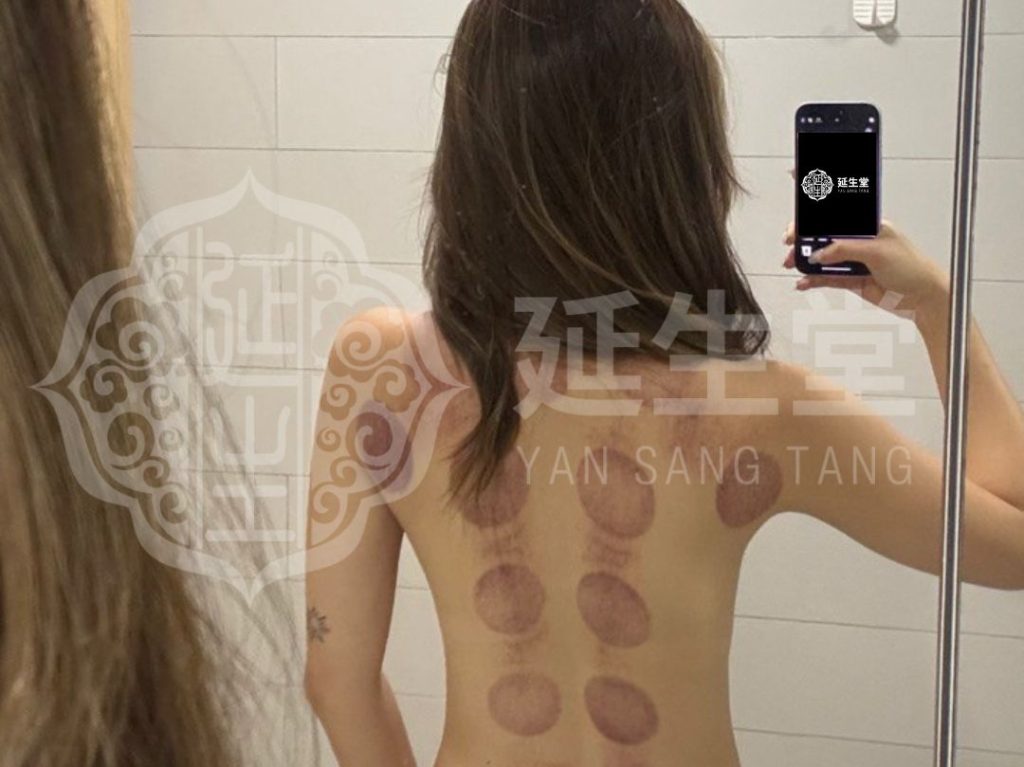
Ever wondered why so many celebrities — from Olympic swimmers to K-pop stars — have those mysterious round marks on their backs? That’s cupping therapy, an age-old healing ritual that’s now one of Singapore’s most popular wellness treatments.
At Yan Sang Tang TCM Clinic, we bring this traditional technique into the modern world — helping you release tension, detox your body, and rebalance your energy from the inside out.
And the best part? You can try it for just $58 for your first session!
☯️ What Exactly Is Cupping Therapy?
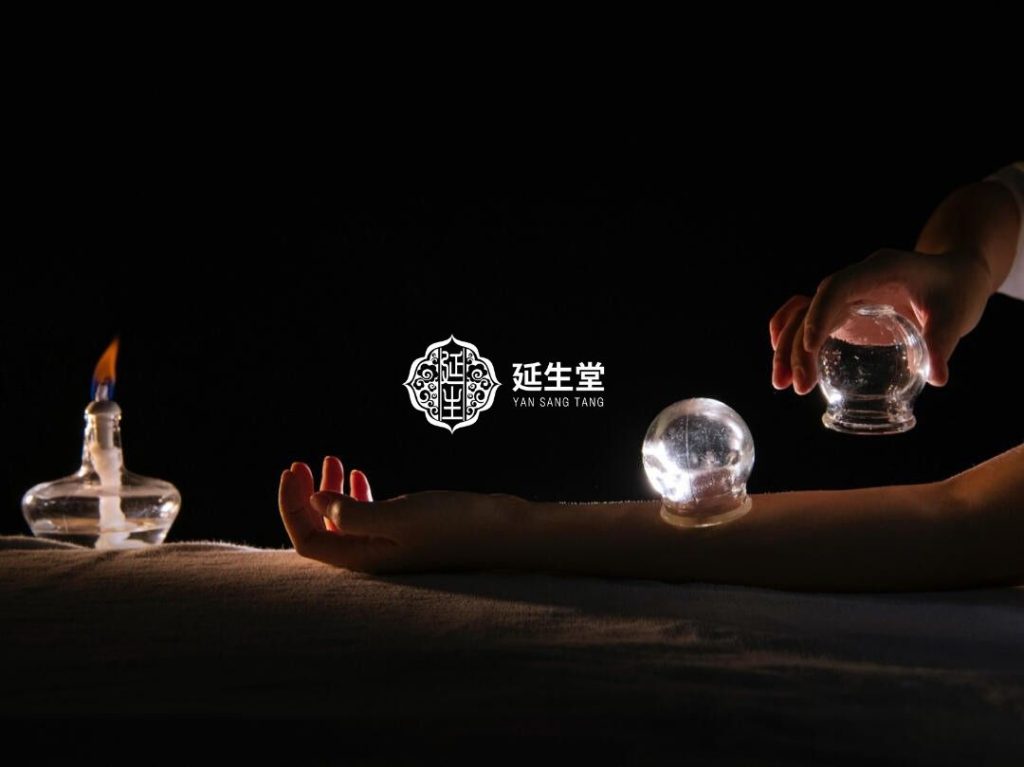
Cupping is a Traditional Chinese Medicine (TCM) method that uses gentle suction to lift the skin — stimulating blood flow, easing stiffness, and encouraging your body’s natural detox process.
Think of it as a deep-tissue massage that helps your body breathe better — without the soreness or strain.
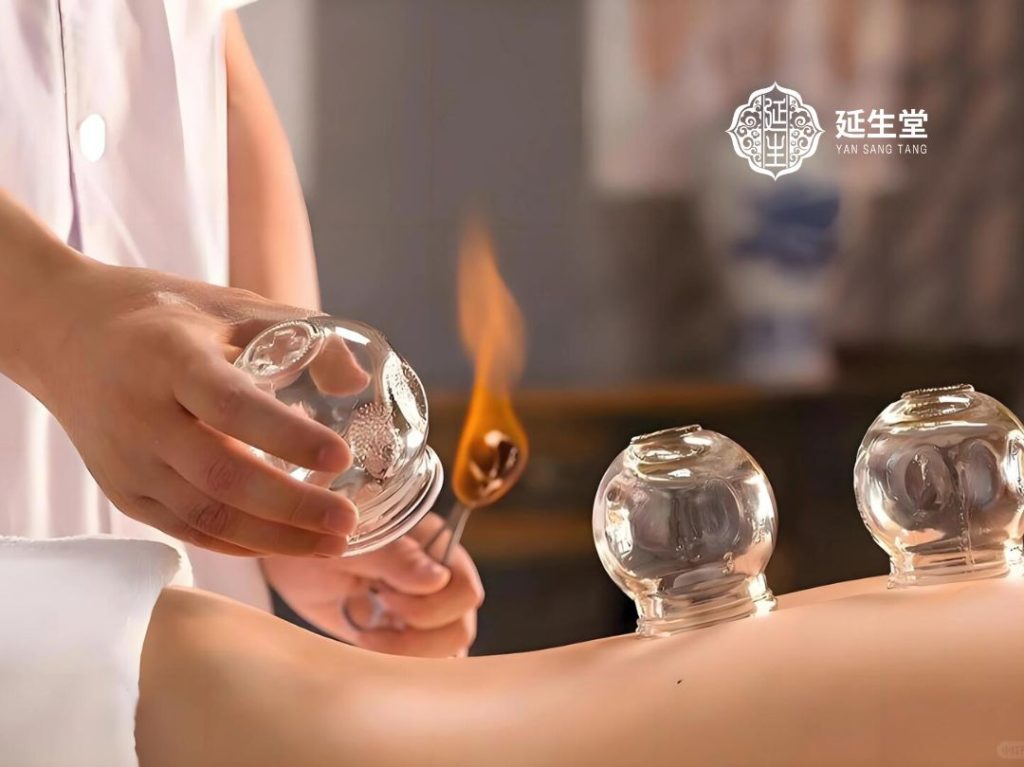
At Yan Sang Tang, our certified physicians personalize each session, adjusting suction strength and cup placement to target your specific needs — whether that’s fatigue, tension, or sluggish circulation.
💆♀️ Why Everyone Loves It
Cupping doesn’t just feel amazing — it can help with:
✅ Relieving shoulder, neck & back stiffness
✅ Boosting circulation and detoxification
✅ Easing fatigue, bloating & water retention
✅ Promoting better sleep and relaxation
✅ Refreshing your skin’s natural glow
Each session leaves you feeling lighter, looser, and more balanced — like you’ve hit the body’s “reset” button.
🌿 Your $58 First Trial Experience
Ready to experience the magic of cupping?
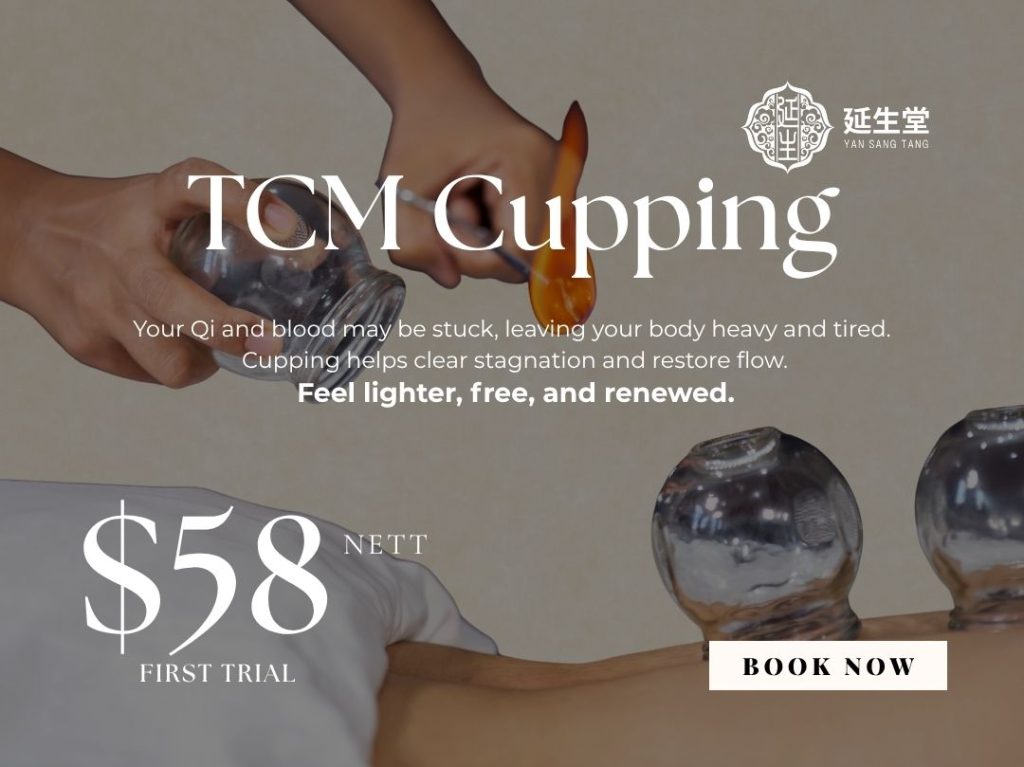
Enjoy your first Cupping Therapy session at Yan Sang Tang TCM Clinic for just $58 — a relaxing, rejuvenating treatment guided by experienced TCM practitioners in a calm, soothing environment.
💧 Duration: approx. 30 minutes
🌸 Includes consultation & personalized cupping session
🔥 Perfect for stress relief, detox & energy boost
💫 What to Expect After
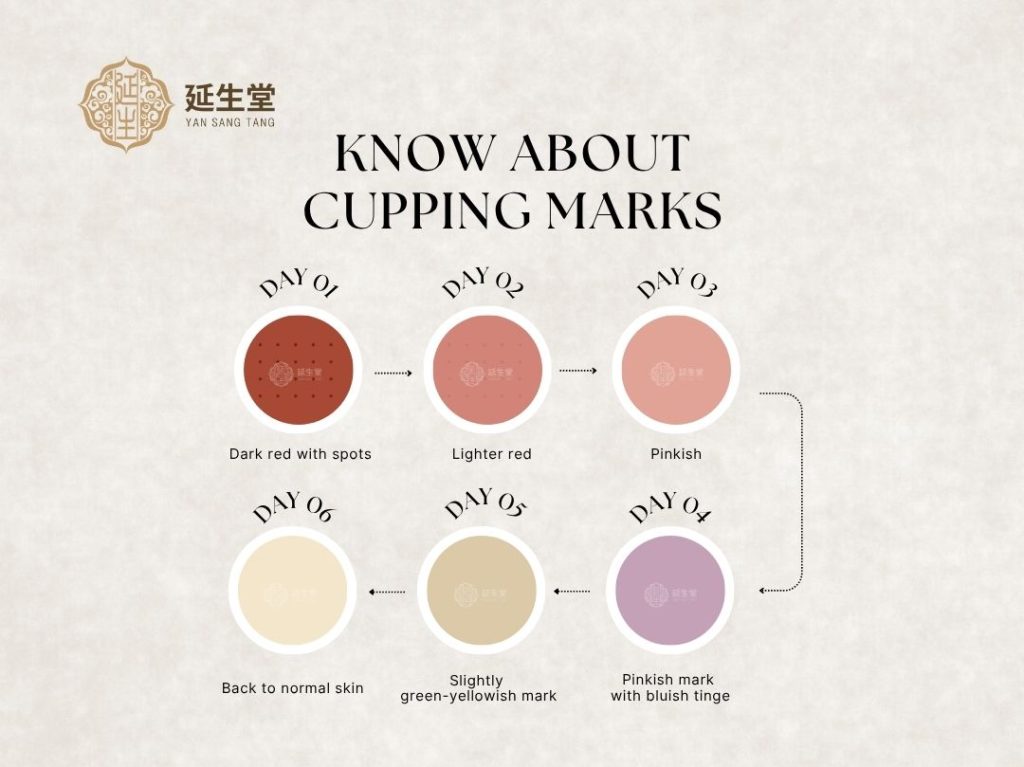
Mild circular marks may appear — don’t worry, that’s just your body’s way of releasing stagnation! They’ll fade in a few days, leaving you feeling refreshed and recharged.
Avoid cold showers right after your session — keep warm, stay hydrated, and enjoy that post-cupping calm.
📍 Start Your Wellness Journey Today
Rebalance your body. Recharge your energy. Rediscover your natural glow.
Try Cupping Therapy (First Trial $58) at Yan Sang Tang TCM Clinic — your trusted space for holistic healing and modern wellness.
🌐 www.yansangtang.com
📞 Call or DM us to book your session today!
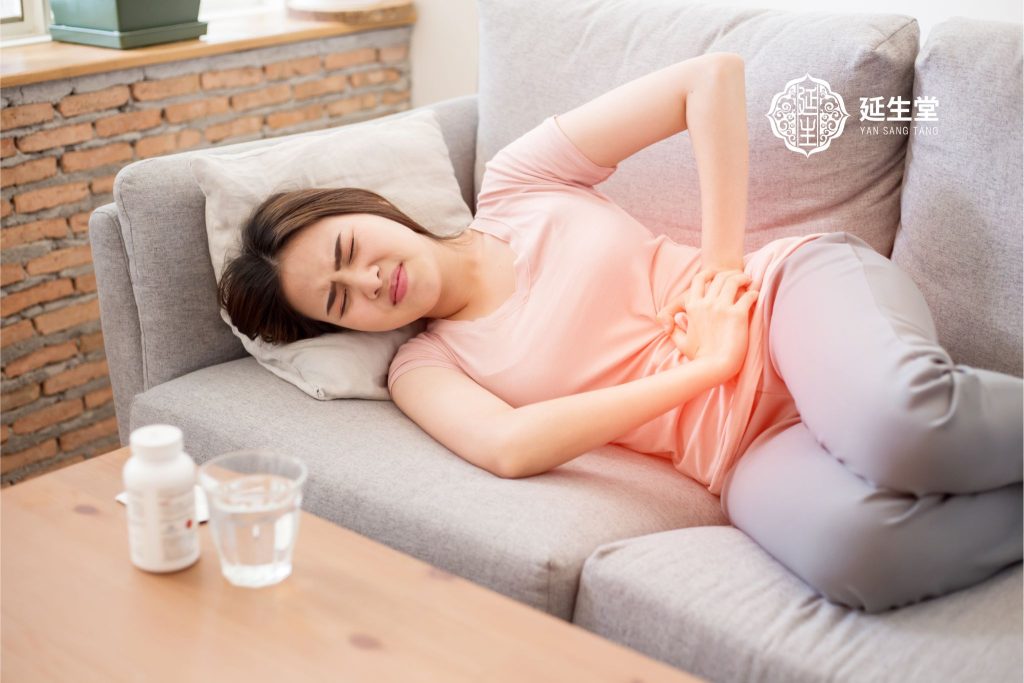
For many women, “that time of the month” brings more than just inconvenience—it brings pain. Menstrual cramps (also called dysmenorrhea) can range from mild discomfort to intense pain that disrupts daily life. While painkillers offer temporary relief, they don’t address the root cause. That’s where Traditional Chinese Medicine (TCM) offers a unique perspective.
At Yan Sang Tang TCM Clinic, we help women manage menstrual pain with a holistic, time-tested approach that supports not only symptom relief, but also long-term wellness.
Why Do Menstrual Cramps Happen?
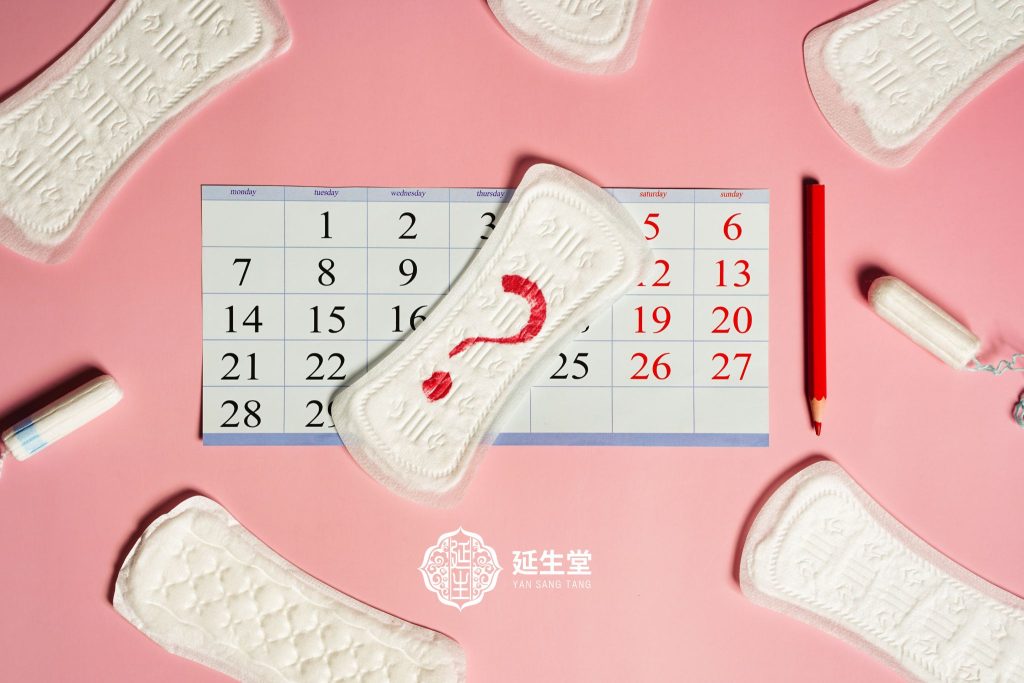
Menstrual cramps occur when the uterus contracts to shed its lining. This process can restrict blood flow, leading to pain. In TCM theory, the causes go deeper:
- Qi & Blood Stagnation – Poor circulation in the uterus can cause sharp, stabbing pain.
- Cold Accumulation – Exposure to cold foods, drinks, or environments can lead to “cold in the womb,” creating cramping and clotting.
- Qi Deficiency – Low energy in the body may result in dull, lingering pain and fatigue.
By identifying each woman’s unique body constitution, TCM treatments are designed to restore balance and improve overall health—not just mask symptoms.
How TCM Helps with Menstrual Cramps
- Herbal Medicine 🌿
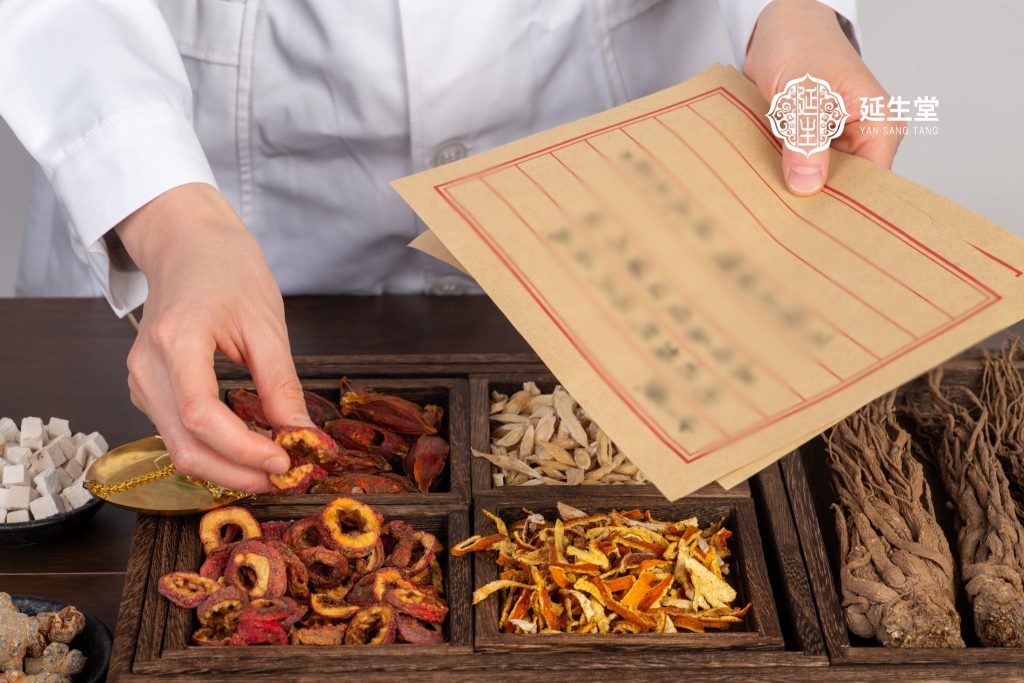
Customized herbal prescriptions may help:
- Regulate menstrual flow
- Warm the womb and dispel cold
- Improve blood circulation
- Nourish Qi and relieve fatigue
2. Acupuncture 🪡
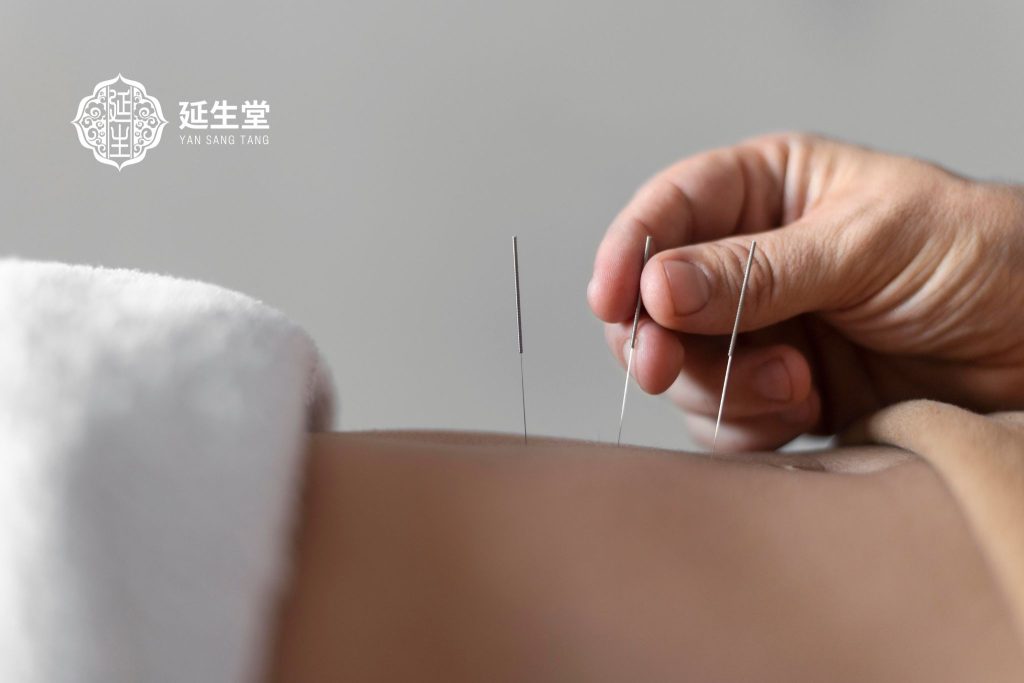
By stimulating key meridian points, acupuncture helps to:
- Relax uterine muscles
- Improve blood flow to the pelvic area
- Release endorphins (natural pain relievers)
- Balance hormonal fluctuations
3. Moxibustion 🔥
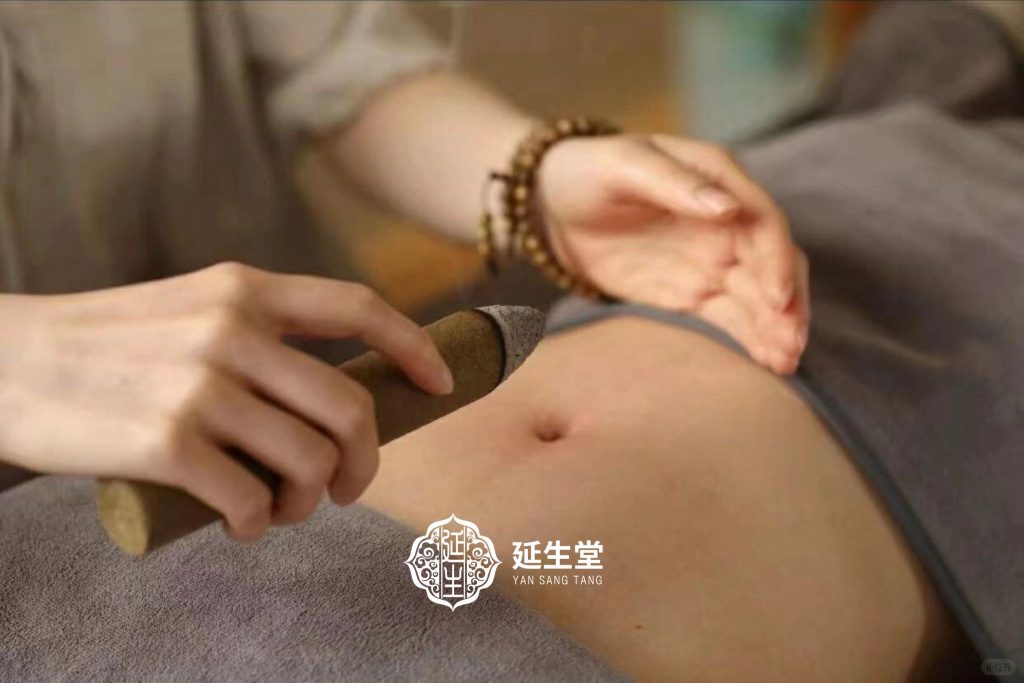
This warming therapy uses burning moxa near acupuncture points to dispel cold, improve circulation, and soothe cramping.
4. Lifestyle Guidance🌸
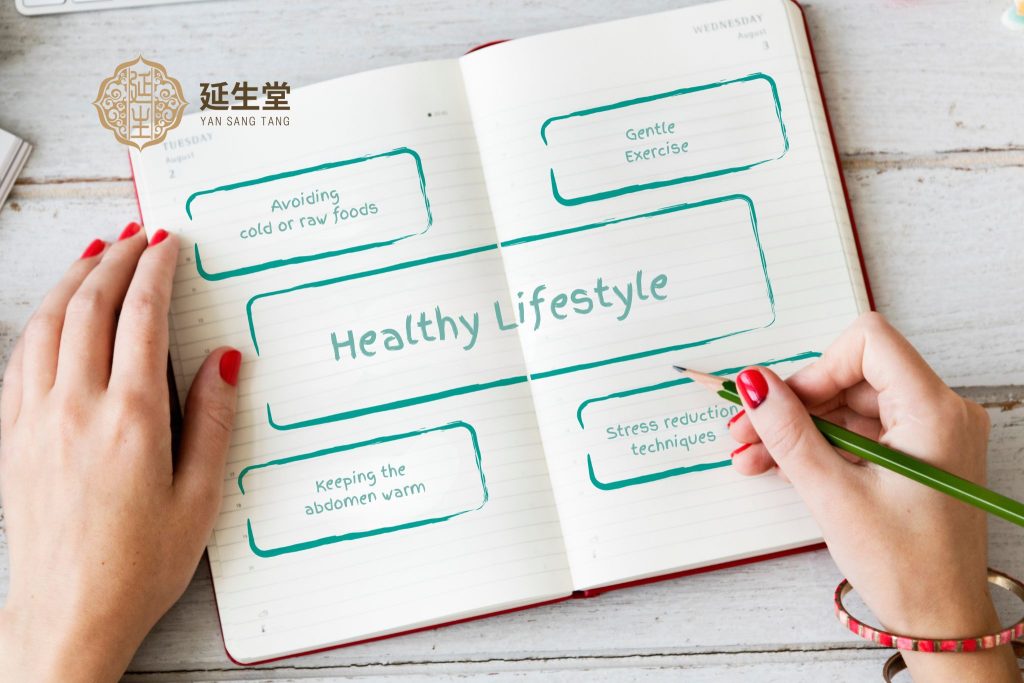
Our physicians may also recommend:
- Avoiding cold or raw foods during menstruation
- Keeping the abdomen warm
- Practicing gentle exercise, like stretching or walking
- Stress reduction techniques to regulate Qi
Why Choose Yan Sang Tang TCM Clinic?
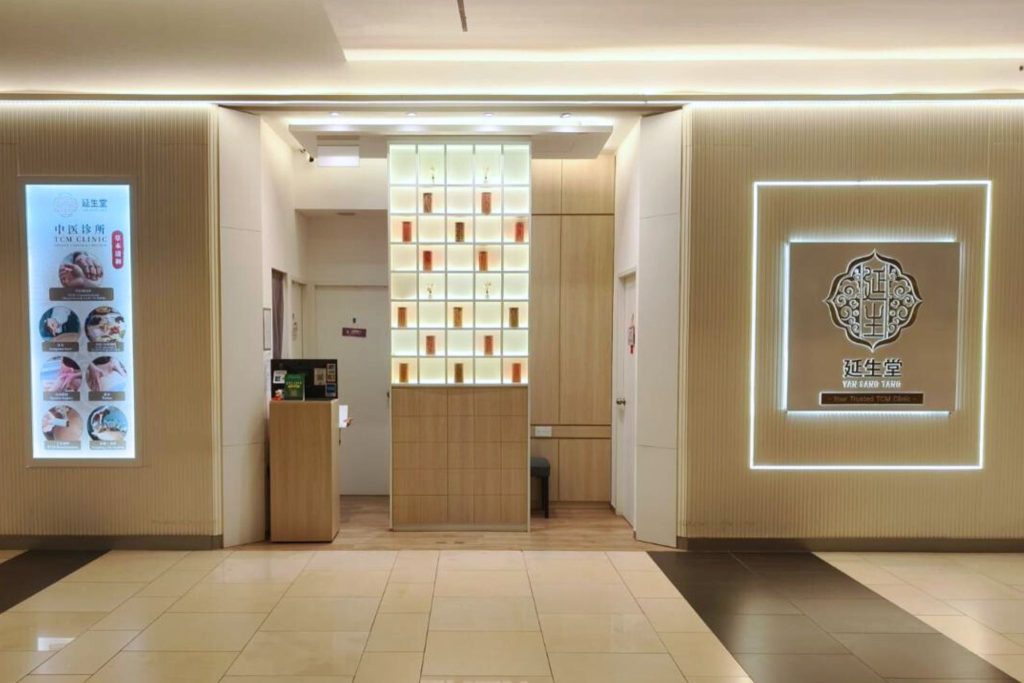
At Yan Sang Tang TCM Clinic, our experienced physicians understand that every woman’s cycle is unique. We provide:
✔ Personalised consultations
✔ Safe, quality-controlled herbal formulas
✔ Gentle but effective acupuncture and therapies
✔ A holistic approach that considers both body and mind
Our goal is to help you move beyond short-term fixes and achieve long-lasting comfort and balance.
When to Seek Help

If cramps are so severe that they interfere with work, sleep, or daily activities, it’s important to consult a professional. TCM can complement conventional care and provide a natural, personalised solution for menstrual health.
✨ Take the first step towards pain-free periods.
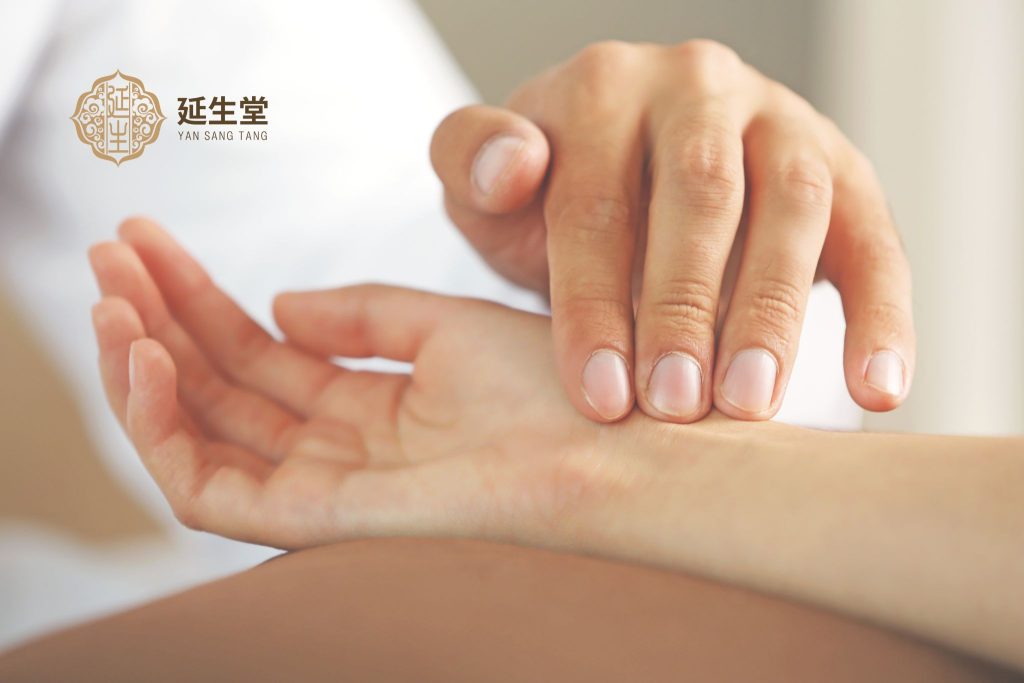
Schedule a consultation at Yan Sang Tang TCM Clinic and discover how TCM can help you restore balance, comfort, and confidence every month.
If you’re considering acupuncture for the first time, you may feel both curious and nervous. Many people have heard about acupuncture’s ability to relieve pain, improve circulation, and restore balance—but what actually happens during a session? At Yan Sang Tang TCM Clinic, our licensed practitioners provide a safe and comfortable experience designed to help you feel at ease from the very beginning.
🌿 What Is Acupuncture?
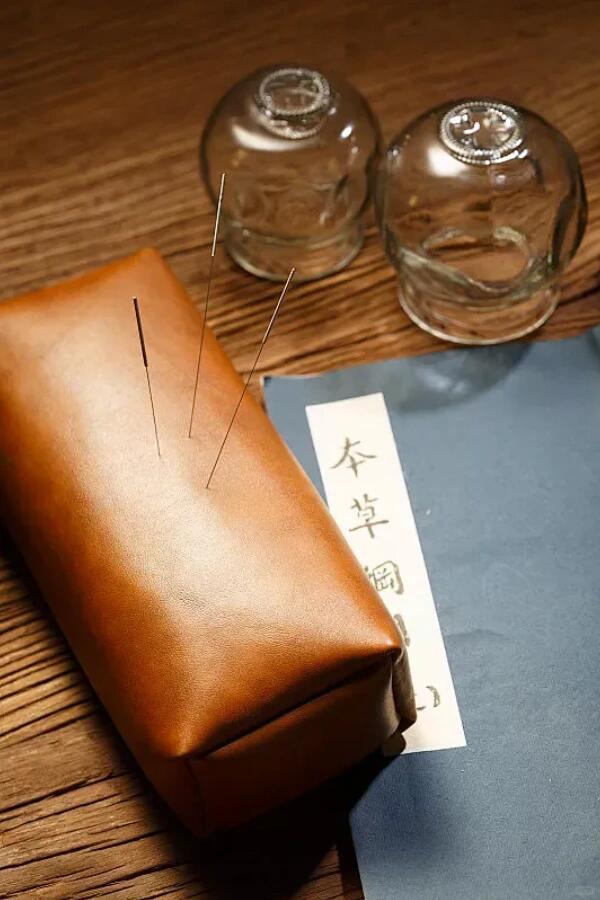
Acupuncture is a key pillar of Traditional Chinese Medicine (TCM). It involves the insertion of ultra-fine needles into specific points on the body known as acupoints. These points are believed to stimulate the flow of Qi (energy), improve circulation, and support the body’s natural healing processes.
Modern research has also shown that acupuncture may help release endorphins, reduce inflammation, and influence the nervous system—explaining why many people report feeling both relaxed and revitalised after treatment.
🪡 What to Expect During Your First Acupuncture Session
- Initial Consultation
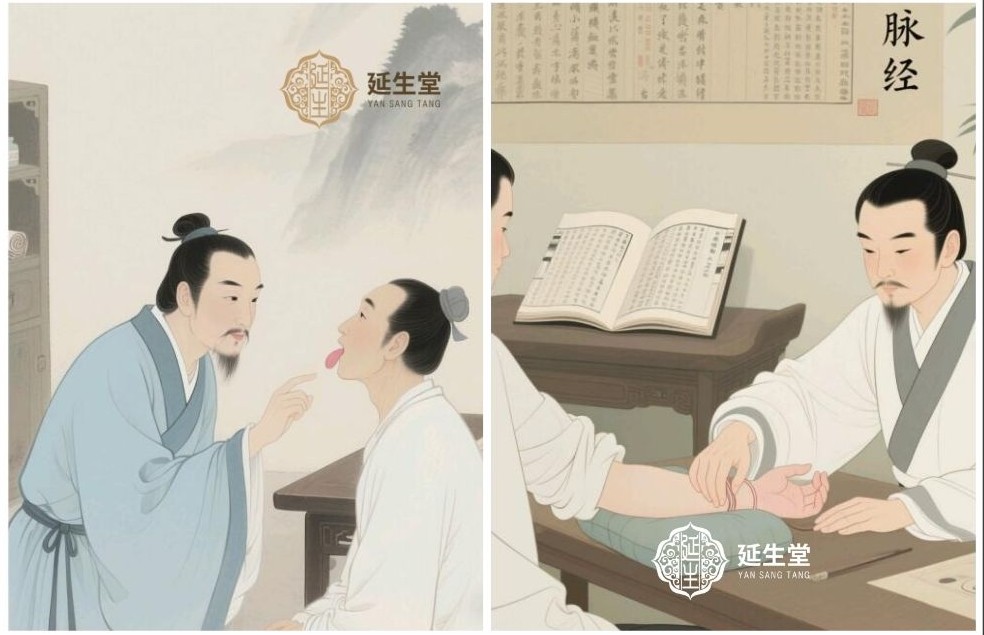
Your session begins with a detailed consultation. The physician will ask about your health history, lifestyle, sleep, digestion, and stress levels. They may also check your pulse and tongue, which are traditional TCM diagnostic tools.
2. Treatment Plan
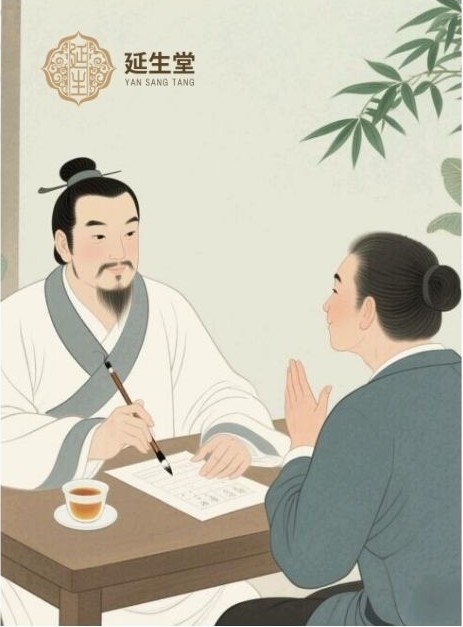
Based on your condition, a customised plan will be recommended. This may include acupuncture alone or a combination of therapies such as cupping, tuina massage, or herbal medicine.
3. The Acupuncture Process
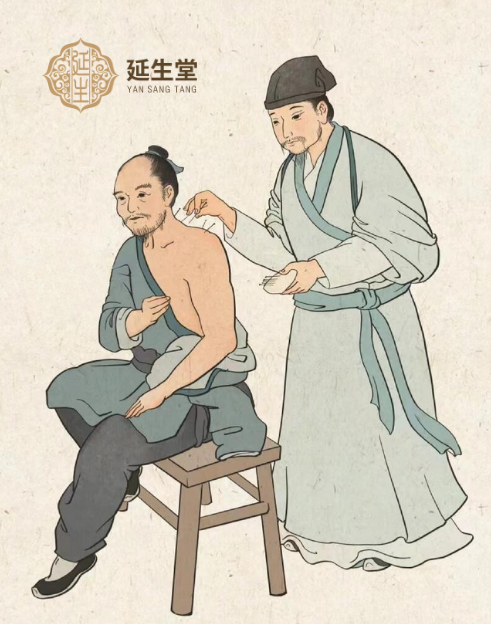
- Needle Insertion: Very thin, sterile needles are gently inserted at specific acupoints. Most people feel only a light pinch or tingling sensation.
- Retention Time: The needles are typically left in place for 15–30 minutes while you rest. Many patients find this part deeply relaxing, often dozing off during treatment.
- Needle Removal: The needles are carefully removed with little to no discomfort.
4. Aftercare
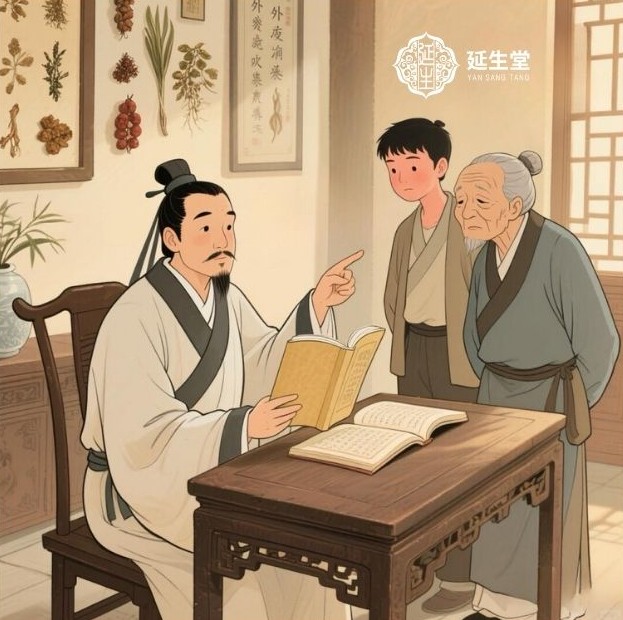
Following treatment, you may feel a sense of calm, increased energy, or mild heaviness in the treated areas—these are normal responses. Your physician may recommend lifestyle tips, dietary guidance, or follow-up sessions for best results.
🌸 Benefits of Acupuncture
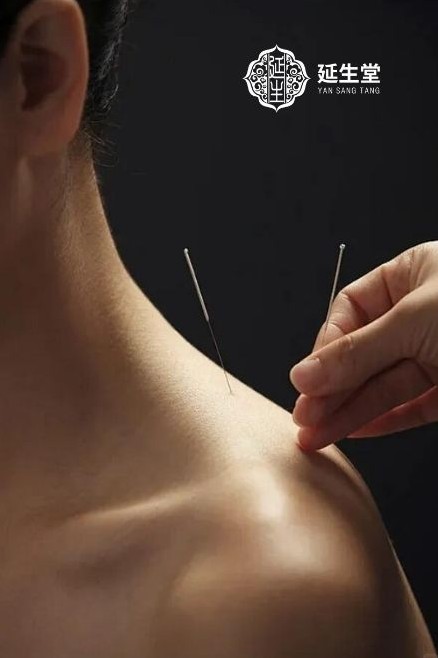
Patients commonly seek acupuncture for:
- Pain relief (neck, back, shoulders, joints)
- Stress and anxiety management
- Headaches and migraines
- Digestive balance
- Sleep improvement
- General wellness and energy levels
At Yan Sang Tang TCM clinic, acupuncture is used not only to address symptoms but also to rebalance the body holistically.
🙋 Frequently Asked Questions
Does acupuncture hurt?
Most people describe the feeling as a light prick or dull ache, not pain. The needles are extremely fine, much thinner than injection needles.
How many sessions will I need?
The number of sessions varies depending on your condition and health goals. Some feel results after 1–2 visits, while others benefit from a longer treatment plan.
Is acupuncture safe?
When performed by trained practitioners, acupuncture is generally safe. At Yan Sang Tang TCM Clinic, only sterile, single-use needles are used.
✅ Take the First Step with Yan Sang Tang TCM Clinic
Trying acupuncture for the first time can feel like a big decision—but with the right guidance, it can also be a deeply rewarding journey towards better health and balance.
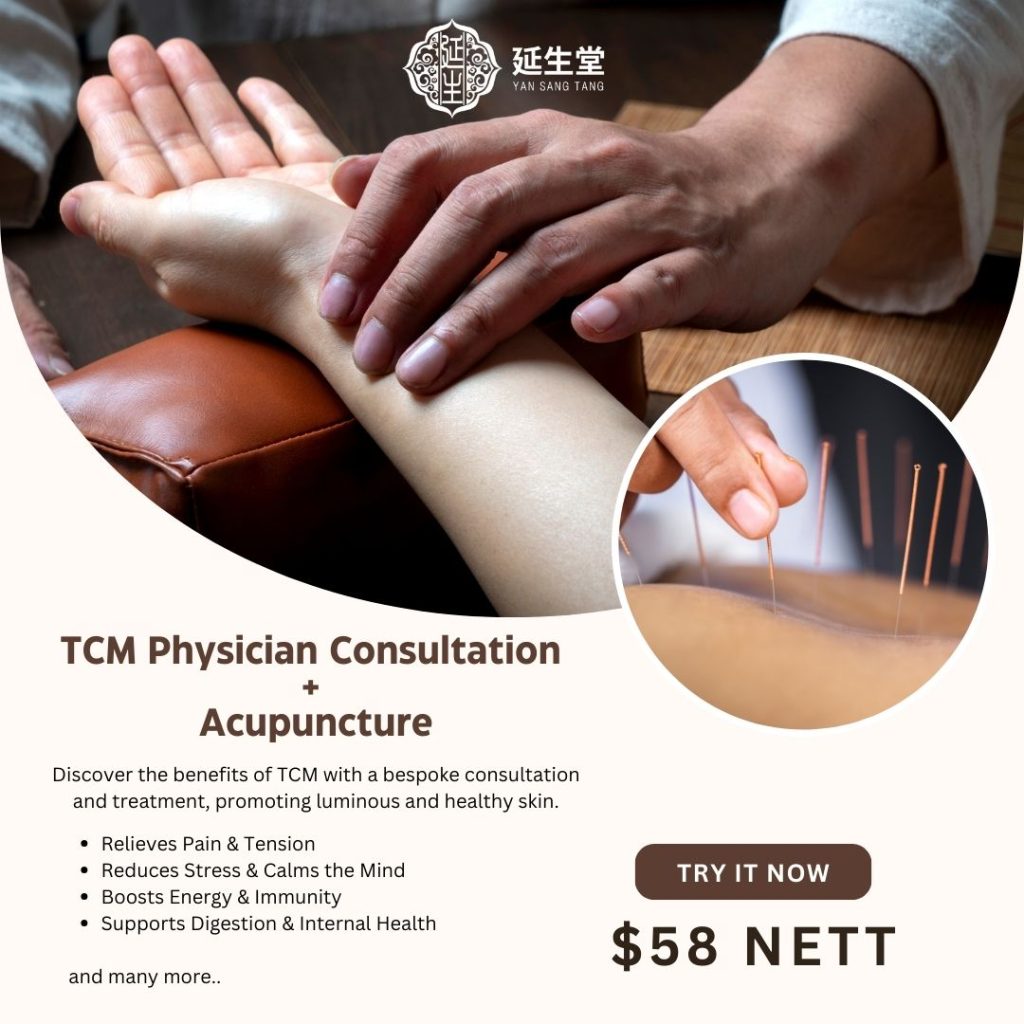
🌟 Special Offer: Try your first TCM Physician Consultation + Acupuncture today at only $58. 🌟 📍 Visit Yan Sang Tang TCM Clinic today and discover how acupuncture can support your wellness goals.
📲 Call us at 87932546 or book your consultation online to begin your journey towards natural healing.
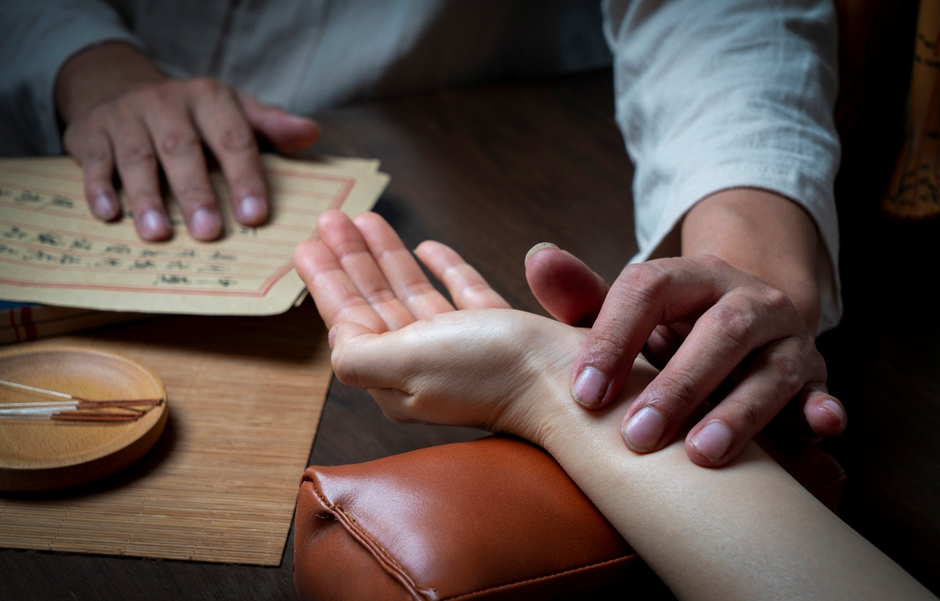
Traditional Chinese Medicine (TCM) has been trusted for centuries as a holistic approach to health and wellness. In Singapore, Yan Sang Tang TCM Clinic offers professional care that combines traditional wisdom with modern standards, helping patients achieve balance and long-term well-being.
What Is TCM?
TCM focuses on restoring harmony within the body. Instead of targeting symptoms alone, it considers the whole person – body, mind, and lifestyle.
At Yan Sang Tang TCM Clinic, treatments may include:
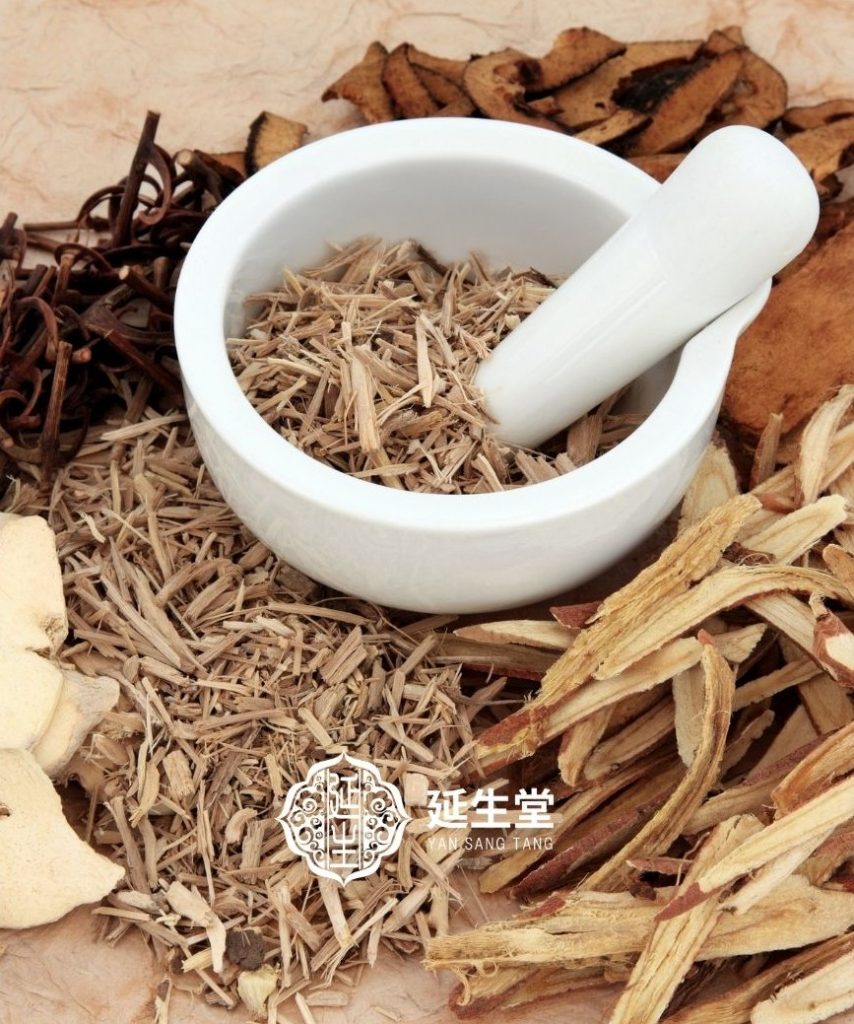
Customized Herbal Prescriptions – formulas prepared based on your body constitution
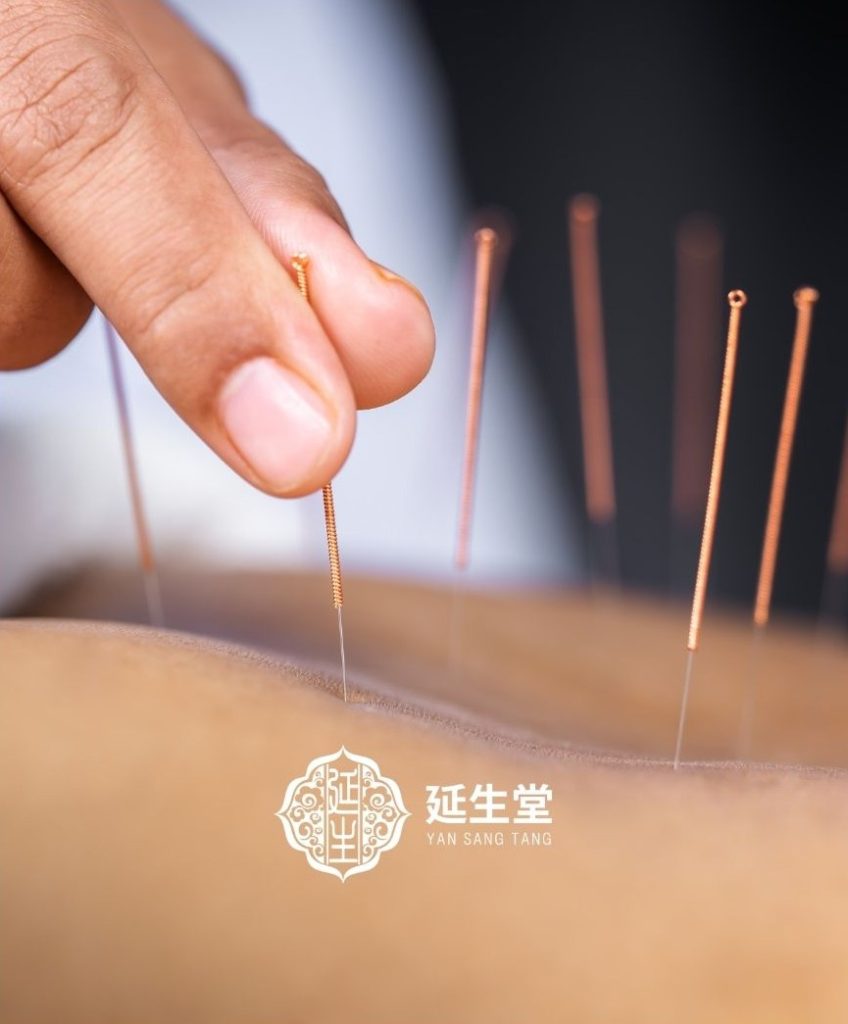
Acupuncture – gentle stimulation of specific points to regulate energy flow
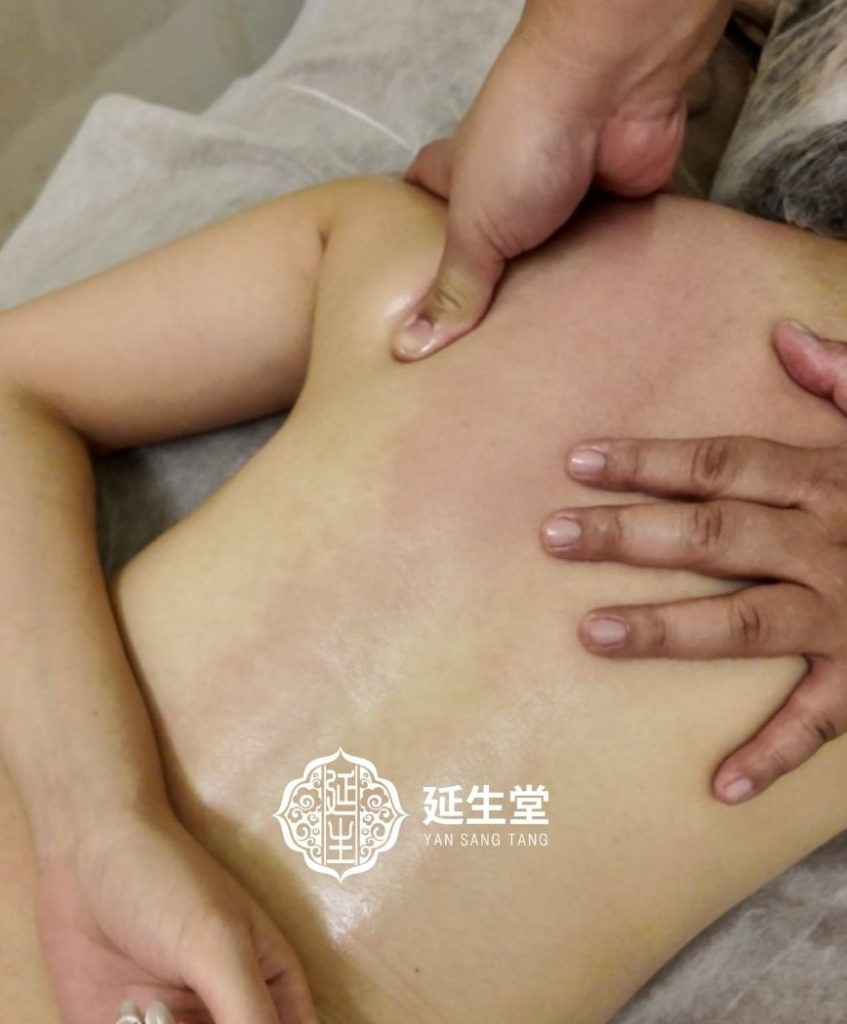
Tuina – to ease tension, improve mobility, and support circulation
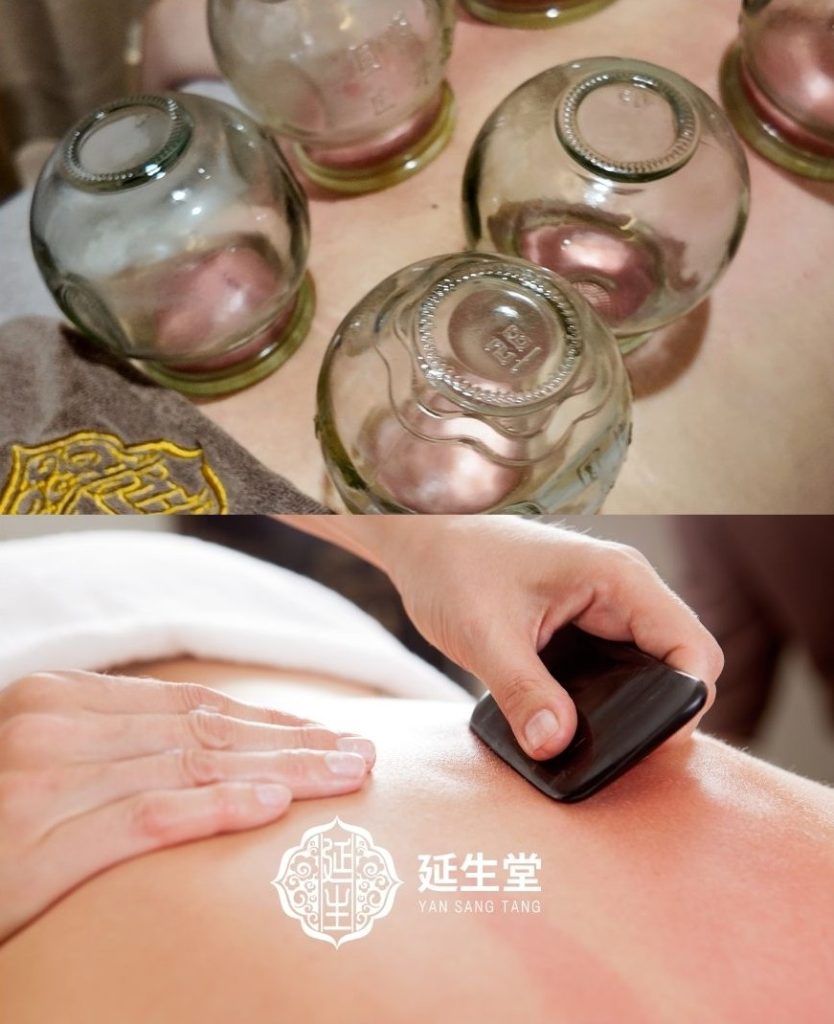
Cupping & Gua Sha – techniques to promote blood flow and relieve tightness
Why Choose Yan Sang Tang TCM Clinic?
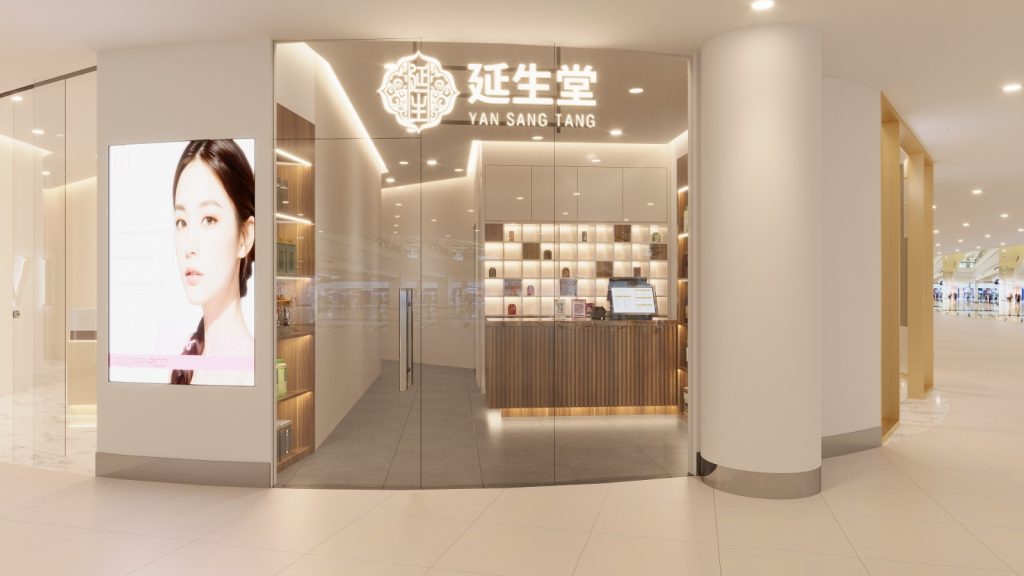
Visiting a TCM clinic can support your wellness journey in many ways:
- Relief of muscle and body tension
- Improved energy and circulation
- Support for recovery and balance
- Preventive care to maintain long-term health
Every treatment plan at Yan Sang Tang TCM Clinic is personalized after a consultation with our registered physicians, ensuring safe and effective care tailored to your individual needs.
How Often Should You Visit?
- General wellness: monthly sessions may be sufficient.
- Specific concerns: weekly or bi-weekly visits may be recommended initially.
- Maintenance: frequency can be reduced once balance is achieved.
Your TCM physician will guide you on the best schedule based on your goals.
Experience Holistic Care with Yan Sang Tang TCM Clinic
At Yan Sang Tang TCM Clinic, we believe in caring for the whole person, not just the symptoms. Our clinics provide a comfortable environment where you can receive authentic TCM treatments guided by professional physicians.
Take the Next Step
Looking to experience the benefits of TCM? Schedule a consultation at Yan Sang Tang TCM Clinic today. Our team will recommend a treatment plan designed to support your health, balance, and overall wellness.
👉 Whatsapp us at 87932546 and begin your journey to better health.
In Traditional Chinese Medicine (TCM), coughs and phlegm are often seen as symptoms of an imbalance in the body. Whether caused by an external pathogen, such as wind-cold or wind-heat, or an internal imbalance like dampness or spleen deficiency, TCM offers a variety of herbs that can help restore balance and alleviate cough and phlegm naturally. Here, we explore seven effective TCM herbs used to treat coughs and dissolve phlegm.
1. Pinellia (Ban Xia)
Pinellia, known as Ban Xia, is one of the most commonly used herbs in TCM for resolving phlegm. It is particularly effective for treating damp-phlegm, which is characterized by a productive cough with sticky, white phlegm. Ban Xia helps by drying dampness, dissolving phlegm, and directing rebellious Qi downward, thus stopping coughing and nausea. It is often combined with herbs like ginger to reduce any potential irritation.
2. Licorice Root (Gan Cao)
Licorice root, or Gan Cao, is a versatile herb used to soothe the throat, making it particularly helpful for dry coughs and throat irritation. It acts as a harmonizer, which means it helps balance other herbs in a formula while providing relief from respiratory symptoms. Licorice root is also known for its anti-inflammatory properties, helping to reduce swelling and ease discomfort in the respiratory tract. It is commonly found in many herbal formulas for cough relief.
3. Fritillaria (Chuan Bei Mu)
Fritillaria, also called Chuan Bei Mu, is a valuable herb for treating chronic coughs, especially those associated with sticky, yellow phlegm due to heat in the lungs. This herb clears heat, moistens the lungs, and dissolves phlegm, making it especially effective for chronic, dry coughs. Chuan Bei Mu is often used in combination with rock sugar to make a soothing syrup that is easy on the throat.
4. Platycodon (Jie Geng)
Platycodon, or Jie Geng, is known for its ability to open up and benefit the lung Qi. It is often used for both productive and non-productive coughs as it helps expel phlegm and relieve chest congestion. Jie Geng is also effective for sore throats and is commonly used to treat respiratory conditions that involve a stubborn cough with difficulty bringing up mucus.
5. Chinese Skullcap (Huang Qin)
Chinese skullcap, or Huang Qin, is an important herb for clearing heat and drying dampness. It is particularly useful when the cough is accompanied by symptoms of heat, such as yellow or green phlegm, fever, or a sore throat. Huang Qin is also known for its antibacterial and antiviral properties, making it an effective herb for respiratory infections.
6. Trichosanthes Fruit (Gua Lou)
Trichosanthes fruit, known as Gua Lou, is often used to treat coughs with thick, sticky phlegm that is difficult to expel. It helps clear heat, moistens dryness, and dissolves phlegm, making it an effective remedy for heat-related coughs. Gua Lou also has the added benefit of helping to open up the chest, which is particularly useful when coughs are accompanied by a sensation of chest tightness or pain.
7. Apricot Seed (Xing Ren)
Apricot seed, or Xing Ren, is a well-known herb for stopping cough and wheezing. It is particularly effective for treating both dry and productive coughs. Xing Ren helps to moisten the lungs and stop coughing, while also aiding in the downward movement of lung Qi to prevent further irritation of the respiratory tract. It is often used in combination with other herbs to enhance its effects and alleviate symptoms like wheezing or shortness of breath.
Combining Herbs for Greater Effectiveness
In TCM, herbs are rarely used alone; they are typically combined to create a balanced formula tailored to the individual’s needs. For example, a common combination for treating cough with phlegm might include Ban Xia, Jie Geng, and Xing Ren to dissolve phlegm, open the lungs, and ease the cough. By combining herbs with different properties, practitioners can create a synergistic effect that addresses the root cause of the cough and phlegm while also alleviating symptoms.
Safety Considerations
When using TCM herbs, it is essential to consult a qualified TCM practitioner. They will assess your symptoms, diagnose the underlying cause of your cough, and recommend the appropriate herbal formula. TCM emphasizes individualized treatment, meaning that what works for one person may not be suitable for another, especially when different patterns such as wind-cold, wind-heat, or deficiency are involved.
Headaches can be debilitating and affect daily life significantly. Traditional Chinese Medicine (TCM) offers a holistic approach to treating headaches, focusing on the root causes rather than just alleviating symptoms. TCM views headaches as a manifestation of imbalances in the body’s vital energy, or “Qi,” along with potential disruptions in blood circulation and organ function. Here, we explore how TCM treats headaches and the various methods involved.
Understanding Headaches in TCM
In TCM, headaches are categorized based on their characteristics, location, and accompanying symptoms. Common types include:
Liver Yang Rising: Characterized by a throbbing pain, often on the sides of the head, accompanied by irritability and stress.
Qi and Blood Deficiency: Presenting as a dull, lingering headache, often associated with fatigue and pale complexion.
Cold or Wind Invasion: Resulting in sharp, sudden pain, usually in the front of the head, often accompanied by nasal congestion.
Phlegm Accumulation: Leading to a sensation of heaviness in the head and possibly dizziness or nausea.
By identifying the type and cause of the headache, TCM practitioners can tailor treatments to restore balance and promote healing.
TCM Treatment Methods for Headaches
Acupuncture
Acupuncture is one of the most well-known TCM practices. It involves inserting thin needles into specific acupuncture points to stimulate the flow of Qi and blood. For headaches, practitioners may target points on the head, neck, and other areas of the body to release tension, alleviate pain, and restore harmony. Research has shown that acupuncture can effectively reduce headache frequency and intensity.
Herbal Medicine
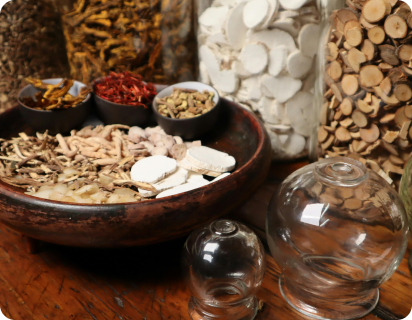
TCM utilizes a variety of herbal formulas to treat headaches based on their underlying causes. Common herbs used include:
- Chrysanthemum: Helps to clear heat and toxins, especially for headaches due to liver yang rising.
- Ginger: Warms the body and helps alleviate headaches caused by cold or damp conditions.
- Angelica Sinensis (Dong Quai): Nourishes the blood and improves circulation, beneficial for headaches related to Qi and blood deficiency.
Practitioners may customize herbal remedies to suit individual needs, ensuring a more personalized approach.
Cupping Therapy
Cupping involves placing special cups on the skin to create suction, which helps increase blood flow and relieve tension. It is often used to address muscle tightness and improve circulation, making it beneficial for tension headaches. By releasing stagnation and promoting relaxation, cupping can alleviate headache symptoms.
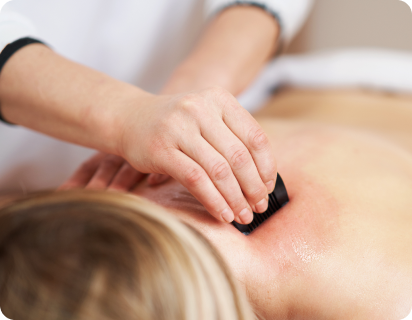
Gua Sha
Gua Sha is a technique that involves scraping the skin with a smooth-edged tool. This practice helps to promote blood circulation and relieve muscle tension. For headaches, Gua Sha can be applied to areas around the neck and shoulders to release tightness and improve overall energy flow.
Diet and Lifestyle Recommendations
TCM emphasizes the importance of diet and lifestyle in maintaining health. Practitioners may recommend dietary changes, such as avoiding excessive spicy, greasy, or cold foods, which can exacerbate headaches. Incorporating nourishing foods, staying hydrated, and managing stress through relaxation techniques, such as Tai Chi or meditation, can also help prevent headaches.
Massage Therapy
Tuina, a form of therapeutic massage in TCM, focuses on stimulating acupoints and promoting relaxation. Gentle massage techniques can relieve muscle tension in the head, neck, and shoulders, providing immediate relief from headache symptoms.
Traditional Chinese Medicine offers a comprehensive approach to treating headaches by addressing their root causes and promoting overall well-being. Through acupuncture, herbal medicine, cupping, Gua Sha, dietary adjustments, and lifestyle modifications, TCM practitioners can help individuals find relief from headaches while restoring balance to their bodies. If you’re struggling with headaches, consider exploring TCM as a potential avenue for effective and holistic treatment.
Depression is a complex mental health condition that affects millions of people worldwide. Characterized by persistent sadness, a lack of interest in once-enjoyable activities, fatigue, and difficulty concentrating, it significantly impacts quality of life. While conventional treatment often involves a combination of medication and psychotherapy, Traditional Chinese Medicine (TCM) offers an alternative or complementary approach for managing depression. TCM views health from a holistic perspective, focusing on the balance of mind, body, and spirit. In this article, we’ll explore how TCM approaches the treatment of depression and its underlying philosophy.
Understanding Depression in TCM
In Traditional Chinese Medicine, depression is considered a result of an imbalance of Qi (vital energy) and disruptions in the body’s natural harmony. The root of the condition is often related to disruptions in the functions of key organs such as the liver, heart, spleen, and kidneys, which are seen as responsible for the regulation of emotions and the smooth flow of Qi.
From a TCM perspective, depression can be linked to various underlying patterns, such as:
- Liver Qi Stagnation: The liver is associated with the regulation of emotional energy. When the flow of liver Qi becomes stagnant, it can lead to feelings of frustration, irritability, and sadness.
- Heart Shen (Spirit) Disturbance: The heart is believed to house the “Shen,” or spirit. Disturbances in heart function can lead to anxiety, restlessness, and insomnia—symptoms often associated with depression.
- Spleen Qi Deficiency: The spleen’s role in TCM involves processing nourishment and supporting mental clarity. When the spleen is weakened, it may cause fatigue, low energy, and overthinking, which can exacerbate depressive symptoms.
- Kidney Deficiency: The kidneys are responsible for maintaining vitality and motivation. A deficiency in kidney energy can manifest as apathy, a lack of drive, or a deep sense of sadness.
In TCM, the goal is to identify the underlying cause of the imbalance and use a combination of therapeutic modalities to restore harmony within the body.
TCM Treatment Approaches for Depression
1. Acupuncture
Acupuncture is one of the most well-known practices in TCM and has shown promise in managing depression. By inserting fine needles at specific points on the body, acupuncture aims to unblock stagnant energy and restore the balance of Qi. Specific acupuncture points are chosen based on an individual’s symptoms and underlying TCM diagnosis.
Research has suggested that acupuncture may stimulate the release of endorphins and other neurotransmitters, such as serotonin, which are linked to mood regulation. Acupuncture can also promote relaxation, improve sleep, and reduce anxiety, all of which are crucial in addressing depressive symptoms.
2. Herbal Medicine
Chinese herbal medicine plays a vital role in TCM treatment for depression. Herbal formulas are customized to each individual based on their unique presentation of symptoms. Common herbs and herbal combinations used to treat depression include:
- Xiao Yao San (Free and Easy Wanderer): This classic formula is commonly used to alleviate liver Qi stagnation, promote emotional balance, and reduce stress.
- Chai Hu Shu Gan San: Used to smooth liver Qi and ease tension, it is helpful for those experiencing irritability or frustration.
- Gan Mai Da Zao Tang: Known as the “licorice wheat and jujube decoction,” this formula is often prescribed to nourish the heart, calm the Shen, and alleviate symptoms like anxiety, sadness, and insomnia.
Herbal treatments are tailored to the individual, and the specific formula chosen depends on the root cause of the depression as identified by a TCM practitioner.
3. Qi Gong and Tai Chi
Qi Gong and Tai Chi are gentle exercises that focus on movement, breathing, and meditation. They can help promote the flow of Qi, reduce stress, and improve mood. These practices can be especially beneficial for individuals dealing with depression, as they provide a way to release physical tension while cultivating a sense of calm and emotional well-being.
4. Dietary Therapy
In TCM, diet is considered an important factor in maintaining mental and emotional health. Foods that nourish the spleen and promote the free flow of Qi can be beneficial for those with depression. Warm, easy-to-digest foods like soups and stews are encouraged, while cold, raw foods are minimized as they may impair spleen function.
Foods like ginger, jujube dates, and sweet potatoes are often recommended to promote emotional balance and boost energy levels. Avoiding excess sugar, alcohol, and greasy foods is also advised to prevent stagnation and further imbalance.
5. Cupping and Moxibustion
Cupping and moxibustion are additional therapies that are used to promote circulation and relieve tension. Cupping therapy helps move stagnant Qi, while moxibustion, which involves burning dried mugwort near specific acupuncture points, can help warm and invigorate the body’s energy, making it helpful for conditions involving deficiency or coldness.
Benefits and Considerations
- Holistic Approach: TCM addresses the root cause of depression, considering physical, emotional, and environmental factors, rather than just focusing on symptoms.
- Complementary Treatment: Can be used alone for mild to moderate depression or alongside conventional treatments like therapy and medication for a comprehensive approach.
- Customized Care: Treatments are individualized to suit each person’s needs. Always consult a licensed TCM practitioner to ensure safe and proper care.
- Integrative Use: If taking medication for depression, work with your healthcare provider to ensure safe integration of TCM.