cc@yst.sg


 6 Mar, 2026
 Health Tips
by VisibleOnehk
22 Feb, 2024
General Health
11 Causes of Dark Eye Circles
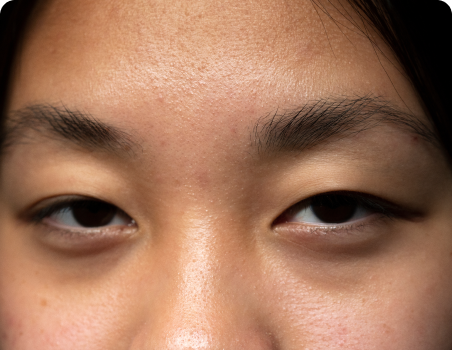
Dark eye circles are a common concern, and their presence can make you look tired or aged. While they are often harmless, understanding their causes can help in effectively reducing or preventing them. Here are 11 common reasons why dark circles form:
1. Genetic
Some people are genetically predisposed to having thinner skin under their eyes or increased pigmentation, leading to dark circles.
2.Lack of Sleep
Insufficient sleep can make the skin pale, allowing blood vessels and dark tissues beneath the skin to become more visible.
3.Aging
As you age, your skin loses collagen and thins, making veins more visible and contributing to the appearance of dark circles.
4. Allergies
Allergic reactions can lead to itching and rubbing of the eyes, which can cause or worsen dark circles.
5. Dehydration
Not drinking enough water can cause the skin under the eyes to appear dull and sunken, making dark circles more prominent.
6. Eye Strain
Staring at screens for long periods can cause eye strain, which can enlarge the blood vessels around your eyes and make dark circles more noticeable.
7. Sun Exposure
Too much sun exposure can increase melanin production, resulting in pigmentation changes under the eyes.
8. Nutritional Deficiencies
Lack of essential vitamins, particularly vitamin C, E, and iron, can cause or exacerbate dark circles.
9. Poor Blood Circulation
Reduced blood circulation can cause pooling under the eyes, creating a darker appearance.
10. Hormonal Changes
Fluctuations in hormones, especially during menstruation, pregnancy, or menopause, can lead to increased pigmentation under the eyes.
11. Smoking and Alcohol
Both smoking and alcohol consumption can dehydrate the body and cause poor circulation, leading to darker skin around the eyes.
While dark circles may have multiple causes, making changes to your lifestyle, such as improving sleep, staying hydrated, and taking care of your skin, can often help in reducing their appearance. Consulting a dermatologist or healthcare professional may also be beneficial in determining the root cause and suitable treatments.
Share: